Feature by Adu Koranteng
For generations, African nations have looked beyond their borders for economic prosperity. Raw materials extracted from the continent have been shipped to Europe, Asia, and North America, only to return as finished products sold at significantly higher prices. This pattern has enriched economies elsewhere while limiting Africa’s own industrial and economic transformation.
Today, however, a new chapter is unfolding through the African Continental Free Trade Area (AfCFTA), a landmark agreement that many experts believe could redefine the future of African commerce and economic integration.
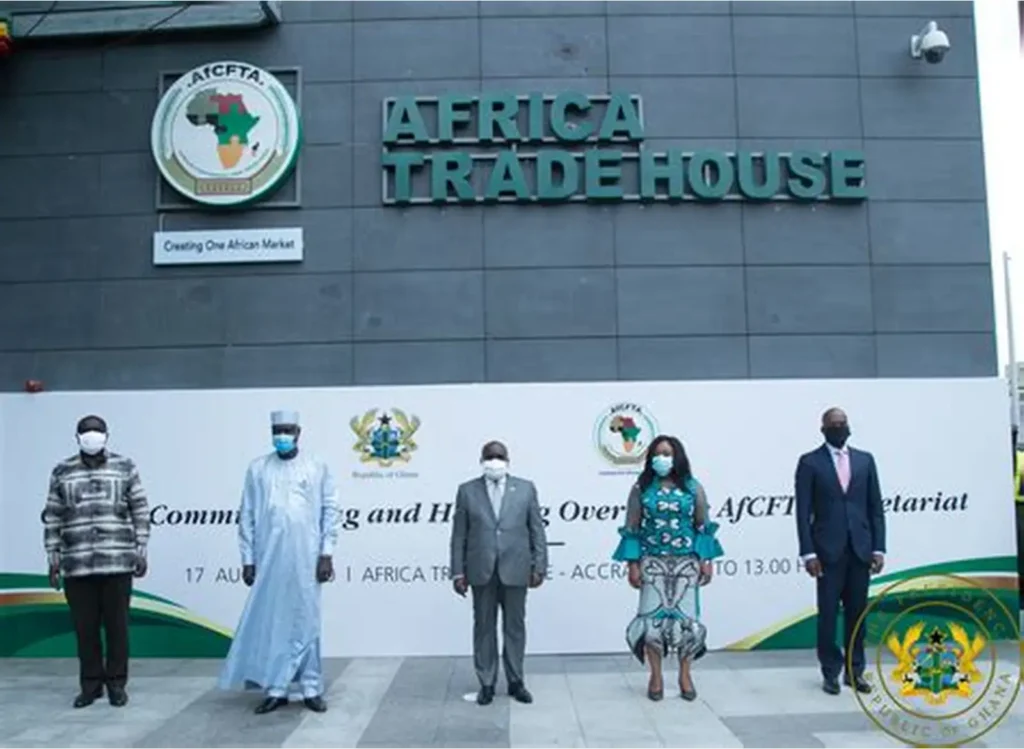
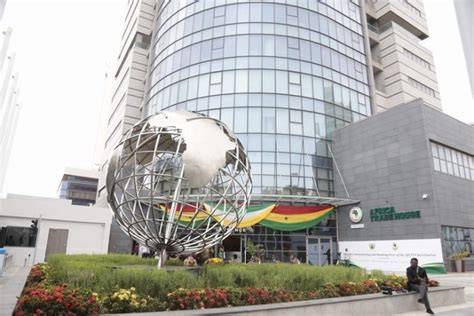
At the centre of this transformation is Ghana, host of the AfCFTA Secretariat in Accra and one of the strongest advocates for the agreement’s implementation.
Speaking during the Citi Business Festival on Channel One TV, Benjamin Asiam, Acting Head of the National Coordination Office at the Ministry of Trade, Agribusiness and Industry, highlighted the immense opportunities available to businesses willing to embrace the continental market.
His message was straightforward: Ghanaian businesses must think beyond national borders and begin viewing Africa as one integrated marketplace.
A Market Like No Other
The numbers alone are staggering.
AfCFTA brings together 54 African countries, creating a market of more than 1.4 billion people with a combined Gross Domestic Product exceeding $3 trillion.
For Ghanaian entrepreneurs and businesses, this means access to consumers stretching from Cape Town to Cairo, Dakar to Nairobi. It means opportunities for manufacturers, technology firms, agribusinesses, logistics providers, financial institutions, and creative industries to expand far beyond Ghana’s population of approximately 35 million people.
In an increasingly competitive global economy, few markets offer such vast potential for growth.
The significance of AfCFTA lies not only in the size of the market but also in its ambition. By reducing tariffs, eliminating trade barriers, and harmonising regulations, the agreement seeks to make it easier and cheaper for African businesses to trade with one another.
For decades, it has often been easier for African countries to trade with Europe or Asia than with neighbouring African states. AfCFTA seeks to change that reality.
Breaking the Raw Material Curse
One of the strongest arguments for AfCFTA is its potential to help Africa move away from dependence on raw material exports.
Africa remains rich in gold, cocoa, oil, timber, lithium, manganese, bauxite, and countless other natural resources. Yet much of the value derived from these resources is captured outside the continent through processing and manufacturing.
Ghana itself is a classic example.
The country is among the world’s leading producers of cocoa and gold, yet it earns a fraction of the value generated from the finished products derived from these resources.
AfCFTA offers an opportunity for African countries to industrialise, process their own resources, and create value-added products that can be sold across the continent.
Rather than exporting raw cocoa beans, Ghanaian firms can produce chocolates and confectionery products for African consumers. Rather than exporting raw agricultural produce, businesses can process, package, and distribute products across regional markets.
Such a shift would create jobs, strengthen industries, and increase government revenues.
Ghana’s Strategic Advantage
Few countries are as strategically positioned to benefit from AfCFTA as Ghana.
The decision to locate the AfCFTA Secretariat in Accra has elevated Ghana’s profile as a centre for continental trade and investment discussions.
The country’s political stability, democratic credentials, expanding financial sector, and relatively favourable business environment provide a strong foundation for attracting investors seeking access to African markets.
Furthermore, Ghana’s location along the West African coast places it within reach of major regional markets, including Nigeria, Côte d’Ivoire, Senegal, and other fast-growing economies.
This strategic advantage must be fully utilised.
Hosting the Secretariat should not merely be a symbolic achievement. It should translate into increased exports, greater investment inflows, industrial expansion, and stronger regional trade relationships.
Challenges Cannot Be Ignored
While the opportunities are immense, success under AfCFTA is far from guaranteed.
Many Ghanaian businesses continue to struggle with high production costs, unreliable energy supply, limited access to affordable credit, poor transportation infrastructure, and bureaucratic delays.
Competition will also intensify.
Businesses from South Africa, Egypt, Kenya, Morocco, Rwanda, and Nigeria are equally preparing to capture market share under the agreement.
To compete successfully, Ghanaian companies must invest in technology, innovation, quality control, branding, and productivity improvements.
Government support will be equally critical. Efficient ports, improved road networks, digital trade systems, and trade financing mechanisms will all play important roles in determining whether Ghana emerges as a winner under AfCFTA.
The Future Is African
The global economy is changing rapidly. Supply chains are shifting, markets are evolving, and nations are increasingly seeking regional solutions to economic challenges.
For Africa, AfCFTA represents more than a trade agreement. It represents a vision of self-reliance, economic cooperation, and shared prosperity.
Benjamin Asiam’s remarks serve as a timely reminder that the window of opportunity is open, but it will not remain open indefinitely.
Businesses that prepare today will be best positioned to benefit tomorrow.
The promise of AfCFTA is not merely about moving goods across borders. It is about transforming Africa from a supplier of raw materials into a powerhouse of manufacturing, innovation, and enterprise.
For Ghana, the challenge is clear: move beyond being a host of the AfCFTA Secretariat and become one of the agreement’s greatest success stories.
The continent’s future marketplace is taking shape. The question now is whether Ghanaian businesses are ready to claim their place within it.