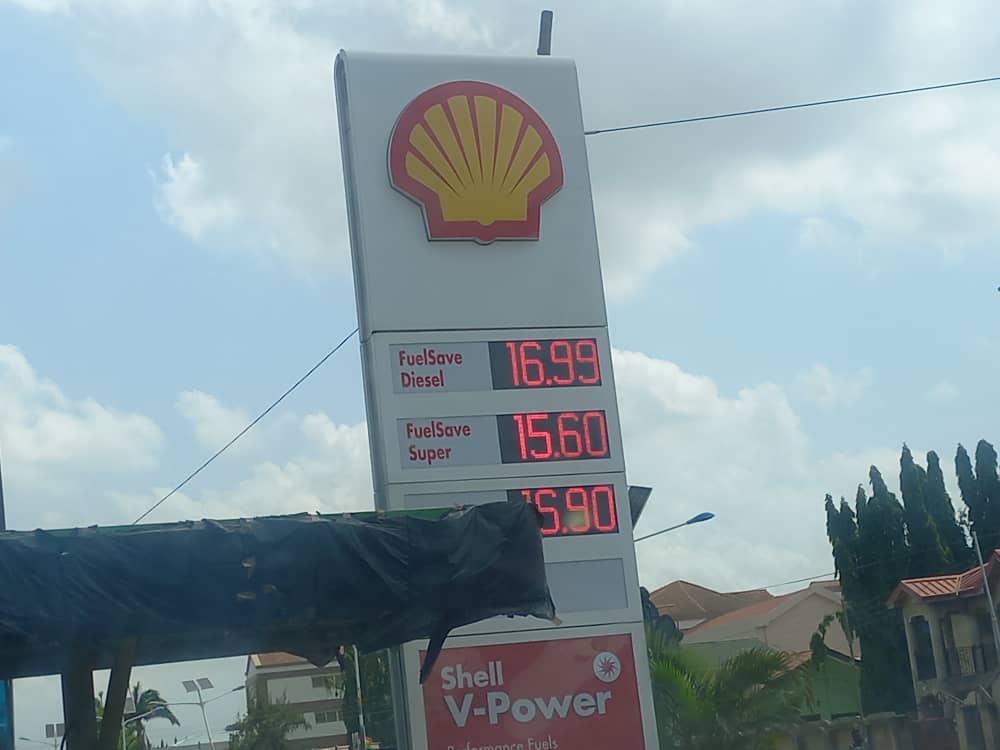
Motorists, transport operators, households and businesses are bracing for higher fuel costs after the National Petroleum Authority (NPA) announced upward adjustments in the ex-pump price floors for petrol, diesel and liquefied petroleum gas (LPG) for the second pricing window of May.
Under the revised pricing structure, petrol now has a floor price of GH¢14.60 per litre, while diesel has been set at GH¢15.81 per litre. LPG will sell at a minimum floor price of GH¢13.16 per kilogram.
The new figures represent increases across all three petroleum products when compared with the first pricing window of May, during which petrol was priced at GH¢13.25 per litre, diesel at GH¢14.30 per litre and LPG at GH¢13.02 per kilogram.
Petrol recorded an increase of GH¢1.35 per litre, while diesel posted the sharpest rise of GH¢1.51 per litre. LPG also climbed by 14 pesewas per kilogram.
The latest adjustments are expected to trigger corresponding increases in pump prices across the country as oil marketing companies review their retail rates. However, actual prices at filling stations may differ depending on operational costs, competitive factors and individual company pricing strategies.
The NPA clarified that the approved price floors do not include premiums charged by international oil trading companies, operating margins of bulk import, distribution and export companies, as well as marketers’ and dealers’ margins.
According to the Authority, all Oil Marketing Companies (OMCs) and LPG Marketing Companies are required to comply with the approved minimum prices in accordance with the Petroleum Products Pricing Guidelines.
The price floor serves as the minimum benchmark below which petroleum products cannot be sold during a specified pricing window, a mechanism aimed at ensuring market stability and protecting industry operators from unsustainable pricing practices.
Consumers Seek Extension of Fuel Tax Relief
Meanwhile, the pressure is mounting on government to maintain measures aimed at mitigating fuel price increases.
The Chamber of Petroleum Consumers (COPEC) has called on authorities to extend fuel tax relief measures by an additional month to shield consumers from the latest surge in prices.
According to the Chamber, the factors that prompted the government’s intervention have not disappeared. It argues that ongoing geopolitical tensions in the Middle East, coupled with persistent volatility in international crude oil markets, continue to threaten fuel price stability and could lead to further increases if relief measures are withdrawn.
Industry observers warn that sustained increases in fuel prices could have a ripple effect across the economy, pushing up transportation costs, production expenses and the prices of goods and services, thereby placing additional pressure on households already grappling with the rising cost of living.
With global energy markets remaining uncertain, consumers and businesses will be watching closely to see whether government extends the relief measures or allows market forces to dictate future fuel prices.