The Mahama-led National Democratic Congress (NDC) government is facing mounting pressure to account for Ghana’s public debt following explosive allegations by New Patriotic Party (NPP) flagbearer Dr Mahamudu Bawumia and former Finance Minister Dr Mohammed Amin Adam that the administration has added approximately US$16 billion to the country’s debt stock in less than two years.
The allegation has reignited an increasingly heated national debate over government borrowing, expenditure priorities, debt sustainability and the value Ghanaians are receiving for the country’s growing financial obligations.
At the centre of the controversy is a fundamental question: If nearly US$16 billion has been added to Ghana’s debt stock since the end of 2024, what tangible development projects can the Mahama administration point to as evidence of how the money has been utilised?
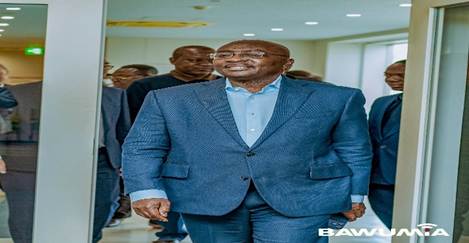
Dr Bawumia and Dr Amin Adam have challenged the government to provide a transparent account of the alleged debt increase, arguing that the scale of the reported accumulation raises serious questions about the administration’s borrowing strategy and spending priorities.
According to figures cited by Dr Bawumia ,, Ghana’s public debt increased from approximately US$49.5 billion at the end of 2024 to US$65.3 billion in October 2026, representing an increase of about US$15.8 billion.
The Bank of Ghana’s Summary of Economic and Financial Data released on November 17, 2026, puts the country’s total public debt at GH¢759.3 billion, equivalent to approximately US$65.3 billion, representing 47.5 per cent of GDP.
The figure compares with GH¢735.8 billion recorded in July 2026.
According to Dr Bawumia, the reported increase raises serious questions about the government’s economic management, particularly when measured against the infrastructure and development commitments made to Ghanaians.
He has challenged the Mahama administration to demonstrate what the country has gained from the additional debt, questioning whether the borrowing has translated into major infrastructure, employment opportunities and meaningful economic transformation.
The former Vice President has reportedly pointed to government initiatives, including the Nkokor Nkitikiti poultry programme, sanitary pad distribution and plans to acquire a new presidential jet, as examples in the wider debate about expenditure priorities.
His central argument is that borrowing on such a scale must produce measurable economic and developmental returns rather than leave taxpayers with additional repayment obligations without corresponding improvements in their living conditions.
$16BN DEBT CONTROVERSY: GOVERNMENT MUST EXPLAIN
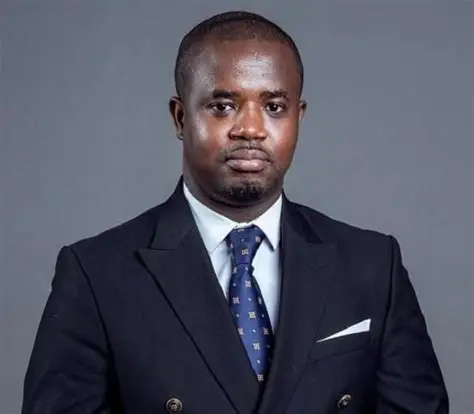
Former Finance Minister and Karaga MP, Dr Mohammed Amin Adam, has also intensified the attack, maintaining that the debt figures demonstrate a substantial increase under the current administration.
During parliamentary discussions on the 2027 Budget on November 18, he argued that the increase represented an estimated debt burden of GH¢23,000 for every Ghanaian.
He has challenged the government to explain the circumstances surrounding the increase and account for its borrowing and expenditure decisions.
The NPP figures further contrast the alleged US$15.8 billion increase under the Mahama administration with the approximately US$20.2 billion increase in Ghana’s debt stock between 2016 and the end of 2024 under the Akufo-Addo-Bawumia administration.
The comparison has become a major political weapon for the opposition, which argues that the pace of debt accumulation under the current government deserves urgent national scrutiny.