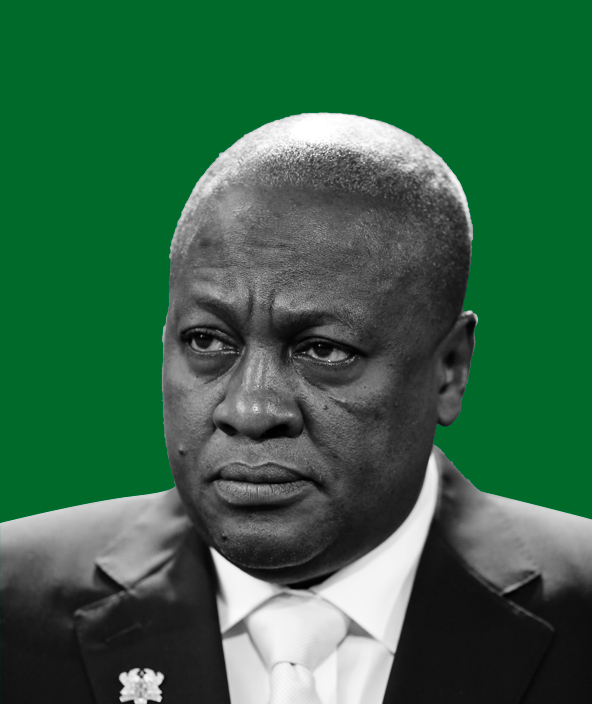
Kwabena Adu Koranteng writes
For years, Ghanaians have been told to accept painful fuel price increases because the country’s downstream petroleum sector is “fully deregulated.” Every increase at the pumps has come with the same explanation: international crude oil prices have gone up, the cedi has weakened, and the market must respond accordingly.
Consumers have had little choice but to pay.
Commercial drivers pass the burden onto passengers. Transport fares rise. Food prices surge. Manufacturers increase production costs. Inflation tightens its grip on households already struggling to make ends meet.
The message has always been market forces are at work.
But a critical question is now confronting the National Petroleum Authority (NPA) and that it If the market is truly deregulated, why are consumers prevented from fully enjoying lower fuel prices when global prices decline?
It is this contradiction that has prompted the Chamber of Petroleum Consumers (COPEC) to describe the NPA’s fuel price floor as “bogus”, a blunt assessment that has reignited one of the most significant policy debates in Ghana’s petroleum sector.
The real issue extends far beyond fuel. It goes to the heart of Ghana’s commitment to free-market principles, consumer protection and regulatory accountability.
Deregulationor Selective Deregulation?
The principle of deregulation is straightforward. It ensures that government steps back and allows competition to steps in. Besides that Companies compete on price, service and efficiency, while consumers enjoy the benefits of competition. Interestingly Ghana’s petroleum market appears to operate under a different philosophy.
When global oil prices rise, oil marketing companies swiftly adjust prices upward. There is no ceiling. There is no restriction. The market is allowed to function.When international prices fall, however, the NPA’s price floor effectively sets a minimum below which companies cannot sell.In other words, the market is free to punish consumers.It is far less free to reward them.That is not deregulation. That is regulation with selective flexibility.
Heads the Market Wins, Tails the Consumer Loses
The current pricing framework creates an uncomfortable perception.Whenever the market favours petroleum companies, the principle of deregulation is vigorously defended.Whenever the market favours consumers, regulation suddenly takes centre stage.Such an arrangement naturally raises suspicion.Consumers begin to wonder whether the rules are designed to encourage competition or to protect profit margins. If businesses are allowed to increase prices because of market forces, why should they be prevented from reducing them for the very same reason?That question deserves an honest answer.
Competition Is Being Artificially Restrained
Competition is the lifeblood of every healthy market economy.Businesses innovate.Prices become more competitive.Consumers benefit. That is Economics 101.
Yet under the price floor regime, oil marketing companies are denied one of the most powerful competitive tools available to them,price.
If a company is willing to operate more efficiently and offer cheaper fuel to attract customers, why should regulation stop it? A market where competitors cannot freely compete on price is not fully competitive. that is managed competition.
The Biggest Victim Is the Ordinary Ghanaian
This debate is not about oil marketing companies but the millions of Ghanaians who purchase fuel every day,The taxi driver The trotro operator,The farmer transporting produce,The manufacturer running generators,The delivery rider, The market woman paying more for transportThe teacher commuting to work.
Every pesewa added to fuel prices eventually appears in the price of food, transportation, electricity, logistics and essential goods.Fuel inflation is national inflation.That is why every unnecessary restriction on price competition carries enormous consequences.
Is Consumer Protection Missing?
Ironically, the National Petroleum Authority was established to regulate the industry in the public interest.Consumer welfare should therefore remain central to every policy decision.
Yet many consumers increasingly feel that regulatory attention appears more focused on ensuring market stability for industry players than on maximising benefits for the people who ultimately finance the sector through every litre purchased. Regulation should create balance.
It should not create winners and losers.
A deregulated market cannot operate on two different principles.
If fuel prices are free to rise because of market forces, they should be equally free to fall when those same market forces change direction.Otherwise, deregulation becomes a slogan rather than an economic reality.Consumers have accepted years of painful increases because they were told the market demanded it.
They now deserve to know why the market appears to lose its freedom precisely when it is their turn to benefit.The National Petroleum Authority owes Ghanaians a comprehensive explanation because in the end, the true measure of regulation is not how well it protects an industry.
It is how faithfully it protects the public interest.
And until the balance between market freedom and consumer welfare is convincingly restored, the question will continue to linger: