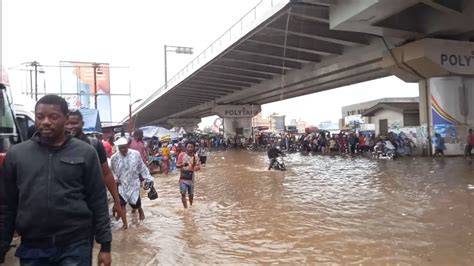
The annual floods in the country clearly highlight a culture where we, the violators of building construction laws, openly disregard regulations and then shift the blame to the government, asking it to allocate scarce resources to manage the aftermath. Instead of addressing the root causes of the issue, we only recognize the seriousness of the problem during the rainy season. In simple terms, we have become like vultures, ignoring our responsibilities during dry months and acknowledging our failures only when disaster strikes. It’s time for us to take accountability and confront these issues directly.
The root cause of this problem is multifaceted and complex, and it needs to be addressed directly. The construction of houses and shacks on waterways is not simply the result of migrant citizens from the nation’s underserved regions seeking opportunities in Accra, as the media often misleadingly suggests. The real issue lies squarely with the nation’s chiefs and a self-serving clique of opportunists who are willing to sacrifice everything under their stewardship for personal gain and extravagant lifestyles. These chiefs, echoing the practices of historical slave traders, ruthlessly exploit every opportunity to line their pockets while ignoring the dire consequences of their actions. They sell land that is entrusted to them, prioritizing their own wealth and status above the community’s welfare.
Some of these chiefs are either unemployed, underemployed, or lack the skills needed to find work. They do not possess the marketable and transferable skills essential for success in a knowledge- and skills-based economy, which prevents them from earning a living through paid employment. In simple terms, they rely on the very people they claim to serve. They operate under the guise of vague traditions and customs, placing themselves above scrutiny. To maintain their practice of exploiting their “subjects,” they align themselves with political parties, government officials, and influential public figures, thereby shielding themselves from accusations of land expropriation and abuse of power.
The governments we elect, along with the people they appoint, often fall short of expectations. After elections, when their popularity is high, the president tends to appoint government and public officials based on loyalty, contributions, and service to the party, rather than on merit or proven expertise. Most of these appointees, with a few exceptions, spend their time in the office attending meetings or travelling to their constituencies to prepare for the next general elections. In today’s political climate, appointments are not made based on performance; instead, they depend on an appointee’s ability to maintain power to support the ruling government’s political ambitions. For the nation’s politicians, problem-solving takes a back seat; their main priority is winning elections while making grand promises.
A visit to the nation’s assemblies reveals several important observations: many workers seem primarily focused on extorting money from distressed home builders who need permits to legitimize illegal constructions, such as building houses on waterways or in the middle of roads. Additionally, municipal engineers often spend work hours poring over books in preparation for upcoming exams. The truth is, I wouldn’t trust some of these so-called engineers to build a dog kennel, let alone review a site and building plan; I speak from experience.
The solution to flooding lies in strong leadership. The president can issue an Executive Order directing Municipal Assemblies to demolish all buildings on wetlands, waterways, and affected areas without exception. Allowing violations of building regulations only worsens the issue, putting lives, businesses, and the environment at risk. Demolition must be comprehensive, affecting all structures, including those owned by ordinary citizens, politicians, and foreign nationals, with significant fines for violations. Targeted demolitions erode public trust in government. Accountability is crucial; Municipal Engineers and planning officials who issued permits for these buildings should face penalties, including garnished pensions. Political appointees who violate municipal byelaws should lose their positions. Strict enforcement is necessary; without tangible consequences, there will be little incentive to adhere to the law.
By refusing to implement the recommended measures—which is likely, given politicians’ reliance on votes and the government’s desire to maintain power—we risk merely covering a proverbial wound that could worsen into something far more severe. This could eventually require drastic actions and a significant injection of capital, such as a foreign loan with steep conditions. I hope the president and his appointees are paying attention to an outsider looking in from afar.
.