By Kwabena Adu Koranteng
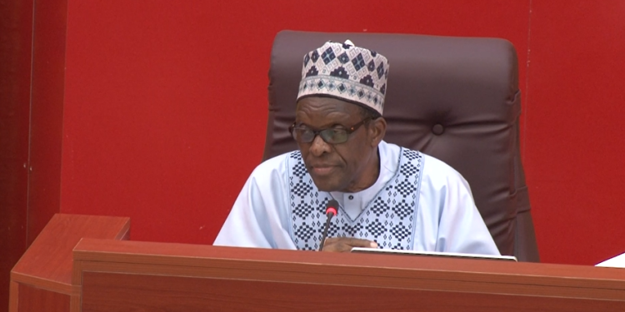
Parliament is set to scrutinise the controversial US$1.7 billion loss—equivalent to about GH¢22 billion—reported under Ghana’s Domestic Gold Purchase Programme (DGPP), with Speaker Alban Bagbin indicating that the House will seek to establish the true nature of the transactions.
The development follows a motion filed by the Minority Caucus calling for a parliamentary inquiry into the reported loss and the invitation of GoldBod Chief Executive Officer, Sammy Gyamfi, to appear before Parliament and account for the transactions.
Speaker Bagbin disclosed that he had personally reviewed the motion, which was received by his office on August 21, 2026, and intended to admit it for consideration.
According to him, parliamentary scrutiny is necessary to bring an end to the growing controversy over whether the US$1.7 billion represents an actual financial loss or a cost associated with the implementation of the government’s gold-buying policy.
“I have gone through the motion myself and I intend to admit the motion because we have to at least have an end to litigation as to whether it’s a loss or it’s a cost,” Speaker Bagbin said.
The Speaker’s comments effectively place the contentious GoldBod transactions before Parliament for examination, potentially opening the door to detailed questioning of the figures, transactions, pricing mechanisms and financial implications of the Domestic Gold Purchase Programme.
The Minority has maintained that the reported figure raises serious questions about the management of public resources and has demanded accountability from those responsible for implementing the programme.
At the centre of the controversy is the question of how the US$1.7 billion figure was calculated, what transactions generated the reported loss, and whether the financial impact should properly be classified as an operational loss, a policy cost, or another category of expenditure.
Speaker Bagbin said Parliament would provide an opportunity for lawmakers to examine the matter and allow Ghanaians to draw their own conclusions from the evidence presented.
“This House will have the opportunity to go through it. And please, Ghanaians are very intelligent people. They will listen, they will read in between the lines and they will make their decisions,” he added.
ACCOUNTABILITY TEST
The parliamentary inquiry could therefore become a major test of transparency surrounding Ghana’s domestic gold purchasing arrangements.
Should the motion proceed as indicated by the Speaker, GoldBod officials could face detailed questions concerning the programme’s procurement and pricing arrangements, the purchase and subsequent sale of gold, foreign-exchange implications, discounts granted in transactions, and the basis upon which the reported US$1.7 billion figure was recorded.
The controversy has already generated a fierce public and political debate, with opposing sides offering different interpretations of the financial figure.
For the Minority, the issue is one of accountability and potential loss of public funds. For those defending the programme, the figure must be properly understood within the broader policy objectives and mechanics of the Domestic Gold Purchase Programme.
Parliament’s intervention could therefore provide the institutional platform required to move the debate from political accusations to documentary evidence and testimony.
The coming proceedings are expected to attract significant public attention as lawmakers seek answers to one fundamental question:
Did Ghana actually lose US$1.7 billion, or was the amount the financial cost of pursuing the country’s gold-purchasing policy?