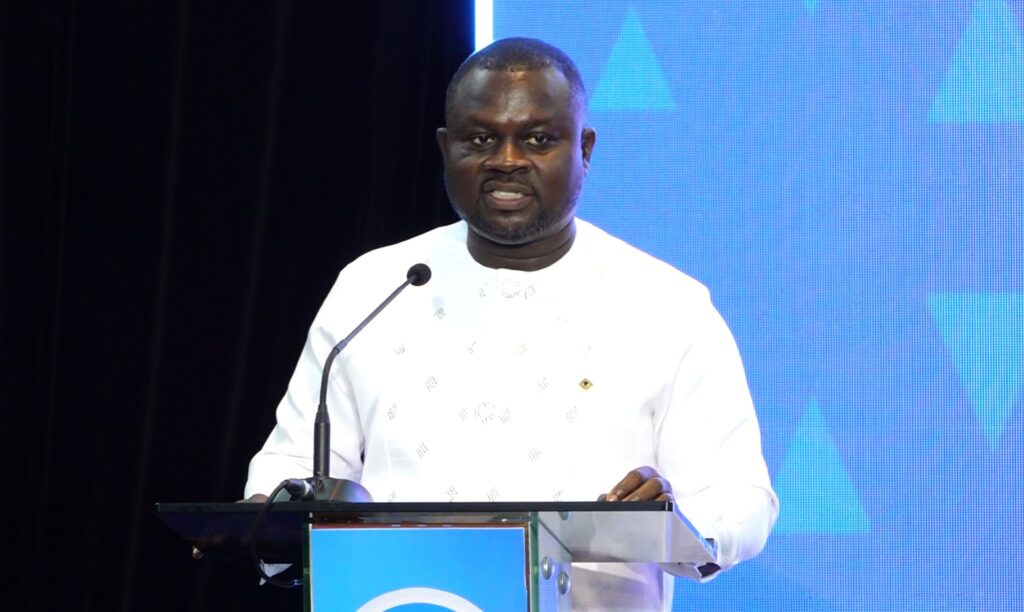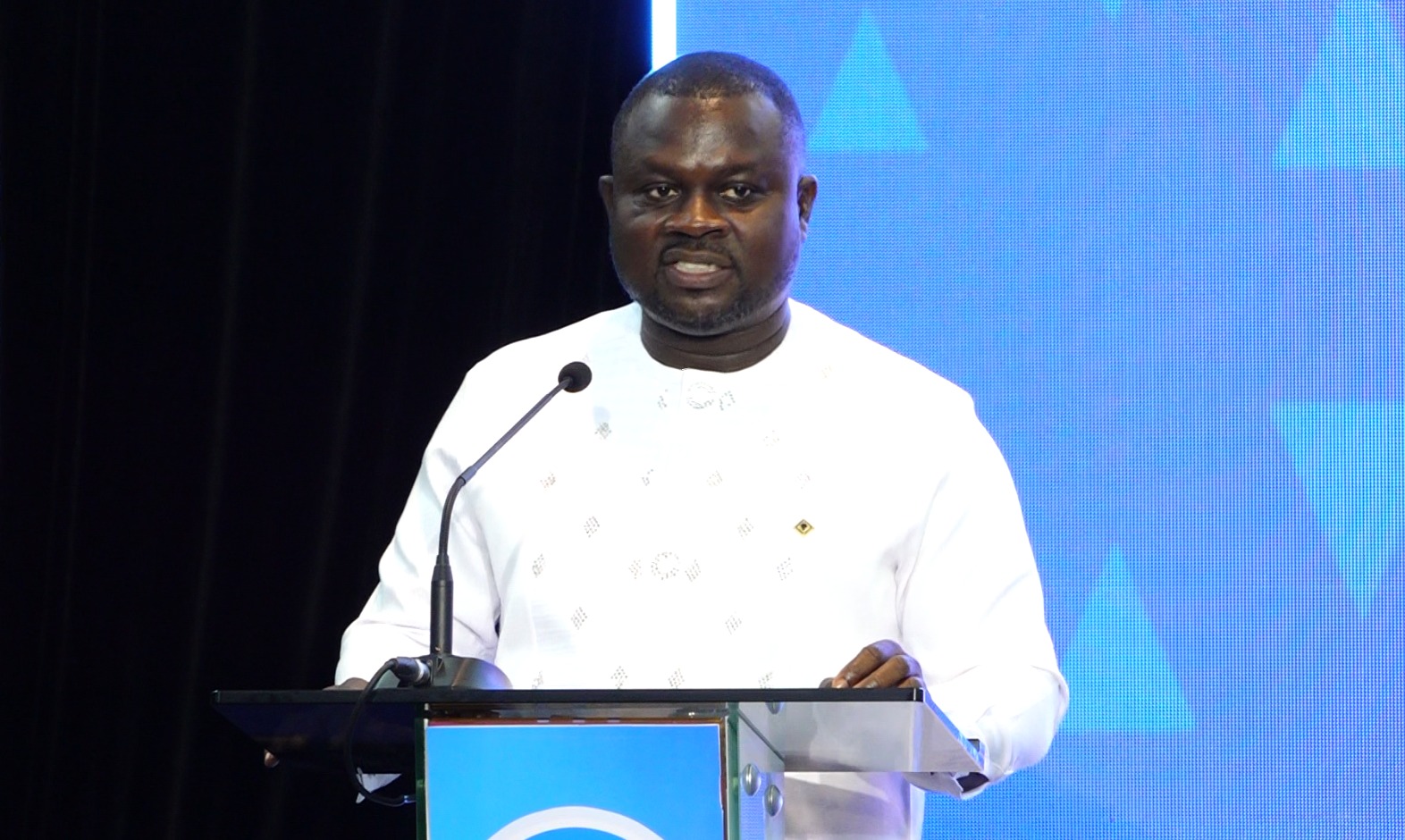
President of the Ghana Journalists Association (GJA), Albert Kwabena Dwumfour, has called for stronger professional and ethical standards in journalism as the rapid transformation of the digital media landscape creates new opportunities and challenges for the profession.
Speaking at the GJA @77 Anniversary Symposium, Mr. Dwumfour said the Association’s 77-year history represented decades of service, sacrifice, advocacy and commitment to journalism and Ghana’s democratic development.
He said the anniversary theme, “GJA @ 77: Building on Our Legacy, Advancing Ethical Journalism and Shaping the Future of Digital Media,” provided an opportunity for the Association to reflect on its achievements while preparing for the changing realities of the media industry.
According to him, the credibility of journalism depended on accuracy, fairness, balance, independence, accountability and respect for the dignity and rights of others.
“Freedom must be accompanied by responsibility,” he stressed, noting that the GJA would continue to defend press freedom while promoting ethical journalism.
Mr. Dwumfour said the media environment was increasingly being challenged by political polarisation, misinformation, disinformation, economic pressures, threats to media sustainability and attacks on journalists, particularly on digital platforms.
He argued that the response to these challenges should be improved professional standards, better journalism and a renewed commitment to public-interest reporting.
AI and the future of journalism
The GJA President said emerging technologies, including artificial intelligence (AI), were transforming how information was gathered, produced, distributed and consumed.
He acknowledged the potential of AI to support journalists with research, transcription, translation, data analysis and newsroom monitoring, but warned of the dangers associated with its misuse.
These, he said, included misinformation, fabricated content, deepfakes and synthetic audio and images.
“Technology must serve journalism; it must not destroy the values that make journalism worthy of public trust,” Mr. Dwumfour said.
He announced that the GJA would continue to promote training and capacity-building in digital journalism, verification, fact-checking, data journalism and the responsible use of AI.
He further called on media organisations to develop clear editorial policies on AI use, including provisions for transparency, verification, human oversight, protection of confidential sources and respect for copyright and intellectual property.
Despite the advances in technology, Mr. Dwumfour maintained that the human journalist remained indispensable because journalism required curiosity, judgement, courage and conscience.
He said journalists must continue to ask difficult questions, verify documents, seek opposing views and identify inconsistencies in information presented to them.
Sustainability and welfare
The GJA President also raised concerns about the welfare and sustainability of journalists and media organisations.
He said the country could not demand excellent journalism from professionals working under persistent insecurity, nor expect the profession to attract and retain talented young people if journalism was perceived as a career without dignity or security.
“Media owners and managers have a responsibility here, but so do we as an Association,” he said, stressing that a strong democracy required a media industry that was not only free but also professionally sustainable.
He called for stronger collaboration among media owners, journalists, government, businesses and development partners to create an environment in which journalism could thrive.
Mr. Dwumfour expressed appreciation to governmental and non-governmental institutions, development partners, diplomatic missions, corporate organisations, civil society groups, media houses and individuals who had supported the GJA over the years.
He said their support had contributed to the Association’s training programmes, advocacy initiatives, journalist safety interventions, professional development activities and awards.
GJA’s legacy
Reflecting on the Association’s history, Mr. Dwumfour paid tribute to past GJA executives for laying the institutional foundation upon which successive administrations had built.
He said the current leadership considered itself custodians rather than owners of the Association and had a responsibility to strengthen the institution and hand it over in better shape to the next generation.
He also acknowledged the GJA’s role in defending journalists, promoting professional standards and engaging governments, state institutions, civil society organisations and development partners on issues affecting the media.
Mr. Dwumfour said the Association’s annual Media Awards had become an important platform for recognising excellence in Ghanaian journalism and celebrating work characterised by professionalism, courage, innovation and commitment to the public interest.
Looking ahead, he said the GJA would strengthen professional development, intensify advocacy for journalist safety and press freedom, promote ethical and public-interest journalism, support innovation and digital transformation, and deepen engagement with government, civil society, development partners and the private sector.
He challenged stakeholders to consider what the Association and journalism should look like when the GJA reaches its centenary.
“The answer will depend on the choices we make today,” he said.
Mr. Dwumfour concluded that the GJA was not retiring at 77 but renewing its commitment to press freedom, ethical journalism, journalist safety, innovation and the development of Ghana.