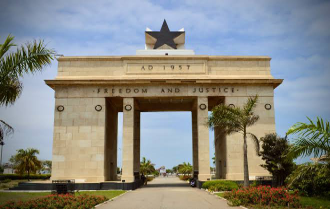
Every December, Ghana becomes more than a holiday destination. From the energetic streets of Accra to the historic coastline of Cape Coast, the country transforms into a meeting point for history, culture, and kinship.
Popularly known as December in GH, the festive season has grown into a cornerstone of Ghana’s tourism calendar. It brings together music, fashion, food, art, and entertainment, celebrating the richness of Ghanaian culture while drawing thousands of international visitors—particularly members of the African diaspora.
Yet beyond the concerts and nightlife lies a deeper opportunity: embodying the Akan principle of Sankofa—going back to reclaim one’s roots—by reconnecting the global African family with the continent through the Black Star Experience. More than a national symbol, the Black Star represents African freedom, pride,resilience, and unity. Through this vision, Ghana can position itself not merely as a place to party, but as a place to rediscover ancestral ties and build a lasting bond.
The central question, therefore, is not simply how Ghana can attract more visitors each December, but how it can transform those visits into meaningful, enduring relationships.
Beyond Tourism: Heritage, Identity, and Belonging
For many members of the African diaspora, travelling to Ghana is a personal act of Sankofa—a deliberate return to a heritage shaped by generations of history, migration, and separation. Through the Black Star Experience, Ghana deepens this journey by offering encounters that go beyond entertainment.
Visitors walk the solemn grounds of the Cape Coast and Elmina Castles, stand at the Assin Manso Ancestral River Park where enslaved Africans took their last bath before the Middle Passage, and pay homage to Pan-African pioneers at the Kwame Nkrumah Memorial Park and the W.E.B. Du Bois Centre in Accra.
Alongside these historical pilgrimages, December comes alive with authentic cultural immersions. Under the Black Star Homecoming and Heritage Immersion framework, returnees experience traditional welcome ceremonies, royal durbar of chiefs, and naming ceremonies that formally reconnect them to their ancestral roots. These moments sit alongside curated indigenous culinary and drumming showcases, flagship music and cultural gatherings like AfroFuture and late-December concerts, visual art highlights such as the Ebien Exhibition and season-long art showcases, and local commerce hubs like the Made in Ghana Fair. For younger generations born outside Africa, these encounters turn abstract history lessons into lived experience
Ghana’s growing appeal as a diaspora hub is reflected in its tourism data. According to the 2025 Ghana Tourism Overview, the country recorded approximately 1.31 million international arrivals, with 141,186 visitors arriving in December 2025—up from 126,791 in December 2024. Every arrival represents a chance to turn curiosity into cultural kinship.
Sharing his perspective, Kwao, a diaspora visitor from the UK, explained: “Coming to Ghana during December means much more to me than simply visiting a country or enjoying the festive season. It is an opportunity to reconnect with my roots, embrace my heritage, and experience a part of my identity that I may not always have the opportunity to explore where I come from. Being surrounded by the culture, traditions, music, food, and warmth of the Ghanaian people creates a sense of belonging that is difficult to put into words. For me, Ghana is not just a destination; it represents a connection to history, identity, and belonging.”
Elevating the Visitor Journey: Safety, Access, and Service
The true strength of a destination is measured not just by arrival numbers, but by the quality of the experience from touchdown to departure. As Ghana prepares to host the world under this year’s theme, “Ghana to the World,” ensuring a safe, secure, and well-coordinated environment remains central to the success of December in GH. Ahead of the festive rush, key industry stakeholders have emphasized that proactive planning, multi-agency coordination, border efficiency, transportation, and hospitality must sit at the core of tourism planning to deliver a seamless experience for both residents and international visitors.
Central to this effort is a shared commitment to public vigilance. Through the Ghana Police Service’s “See something, say something” initiative, authorities are encouraging citizens and guests alike to remain alert and report any suspicious activity. Visible security measures, coordinated emergency preparedness, and rapid incident response ensure travellers can explore destinations and enjoy nightlife with peace of mind—a sense of confidence that begins with a welcoming, streamlined immigration process at the airport. To support rapid emergency response throughout the season, the public and visitors are reminded to keep national emergency hotlines readily accessible—specifically 999 for general emergencies, 192 for the Fire Service, and 18555 for emergency assistance.
Once inside the country, heavy December traffic, high transport fares, and bottlenecks in major urban centres can quickly dampen visitor enthusiasm. Improving traffic management and strengthening transport links are essential, alongside matching the warmth of Ghanaian hospitality with consistent professionalism, transparent pricing, and reliable customer care across hotels, restaurants, tour operators, and event venues.
Data from the 2025 December in GH survey highlights this exact priority: while 98 per cent of respondents expressed satisfaction with safety and security, only 65 per cent rated their overall experience as excellent or good. Closing that 33-point gap requires deliberate improvements across every touchpoint so travelers leave eager to return.
From Seasonal Surge to Year-Round Value
For December in GH to achieve its full potential, the festive surge must translate into broad, sustainable economic value. The 2025 survey recorded average visitor spending of GH¢966.13 on accommodation,GH¢408.31 on food and beverages, GH¢339.29 on entertainment and recreation, and GH¢270.70 on shopping.
Ensuring this expenditure reaches beyond major hotels and large event promoters is critical. Platforms like the Made in Ghana Fair and season-long art showcases play a vital role in connecting diaspora shoppers and collectors directly with local artisans, designers, and gallery spaces. Similarly, linking young Ghanaian musicians, photographers, content creators, and hospitality entrepreneurs with commercial stages—from AfroFuture and late-December concerts to creative hubs like the Ebien Exhibition—drives real youth employment, provided businesses uphold fair pricing and consumer protection standards.
Delivering on these goals demands a whole-of-government and whole-of-society approach, as demonstrated by the 2026 campaign. While government provides policy direction, infrastructure, and regulation, the private sector, traditional authorities, and local communities must drive service excellence and encourage visitors to explore beyond Accra—from Kakum and Mole National Parks to Lake Volta, Wli Waterfalls, and traditional festivals like Aboakyer, Hogbetsotso, Damba, and Fetu Afahye. With the 2025 Ghana Tourism Overview showing an average stay of 13 nights, repeat visitors making up over 60 per cent of arrivals, and 96 per cent of December visitors intending to return, the potential for year-round tourism is clear.
A Vision for Lasting Connection
To fulfil its promise, the Black Star Experience must operate as more than a seasonal slogan; it must be a continuous commitment to cultural exchange and heritage preservation.
Speaking on this vision, the Deputy Director of Corporate Affairs at the Ghana Tourism Authority, Mr. Kofi Atta Kakra Kusi, noted: “The Black Star Experience represents an opportunity to position Ghana as a destination where people of African descent can reconnect with their heritage, rediscover their identity, and develop a deeper appreciation of their historical and cultural connections to the continent. It goes beyond promoting tourism and entertainment. Our vision should be to ensure that visitors do not simply come to Ghana, participate in December festivities, and leave. We want them to experience the richness of our culture, explore our heritage, engage with our people, and develop a relationship with Ghana that extends beyond the festive season. Ultimately, Ghana should be a place where people can connect, belong, and call home.”
Every visitor who leaves Ghana becomes a global ambassador whose stories and recommendations shape how the world views the country. December should therefore be viewed not as the climax of the tourism calendar, but as the gateway to year-round engagement.
More Than a Visit, A Journey Home
December in GH gives Ghana a powerful platform to tell its story and strengthen its ties with the African diaspora. By placing the spirit of Sankofa, heritage, and belonging at the centre of the Black Star Experience,the country can elevate the festive season far beyond entertainment.
Long-term success depends on moving from seasonal promotion to strategic destination management—matching international visibility with operational readiness, economic inclusion, and consistent service quality. The true measure of success is not merely how many people arrive each December, but how many local businesses and young people thrive, how satisfied visitors feel across every touchpoint, and how deeply the global African family feels connected to Ghana long after the festivities end.
By: Mohammed Rafatu Anaalie
National Service Personnel, Corporate Affairs Department
Ghana Tourism Authority