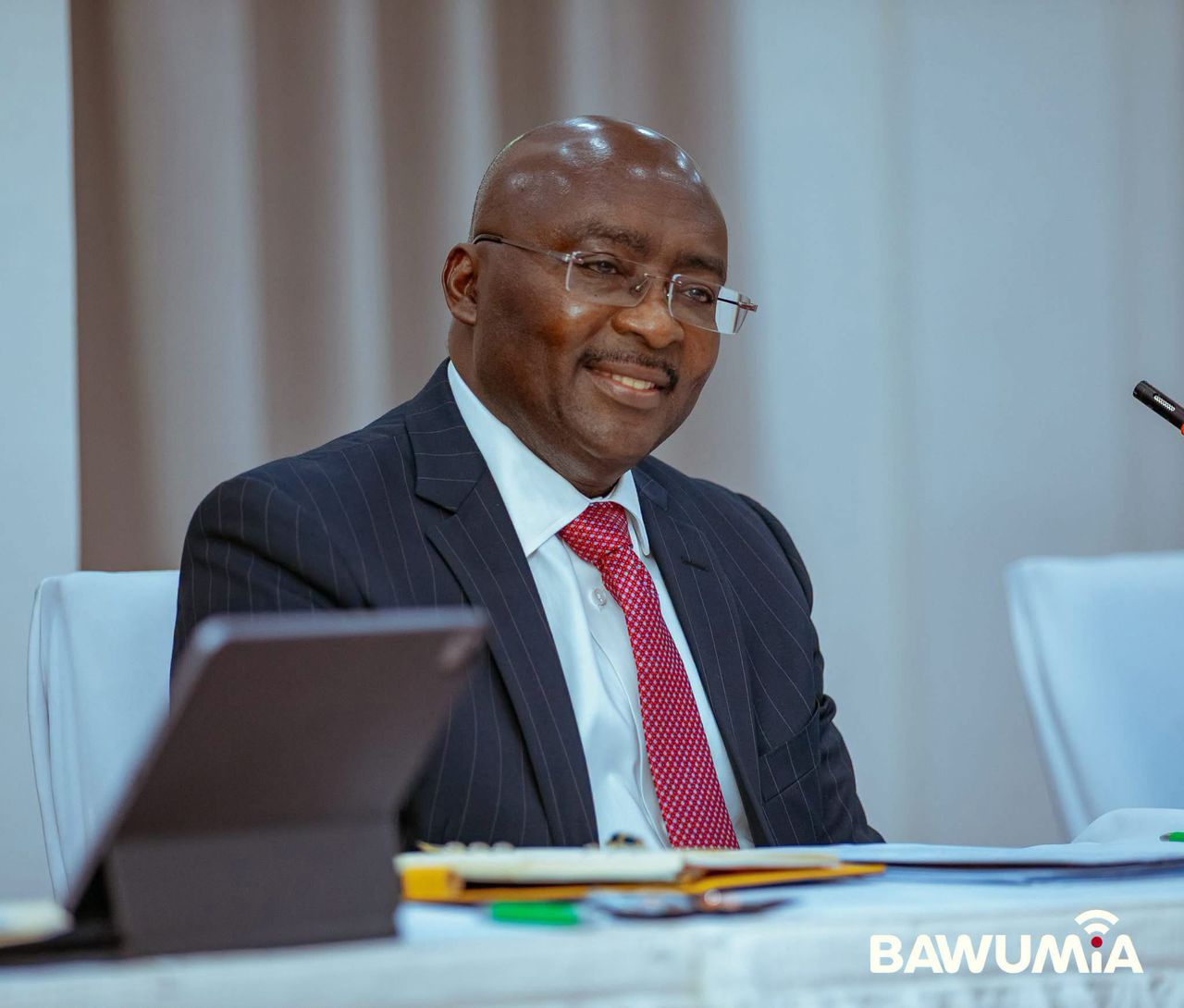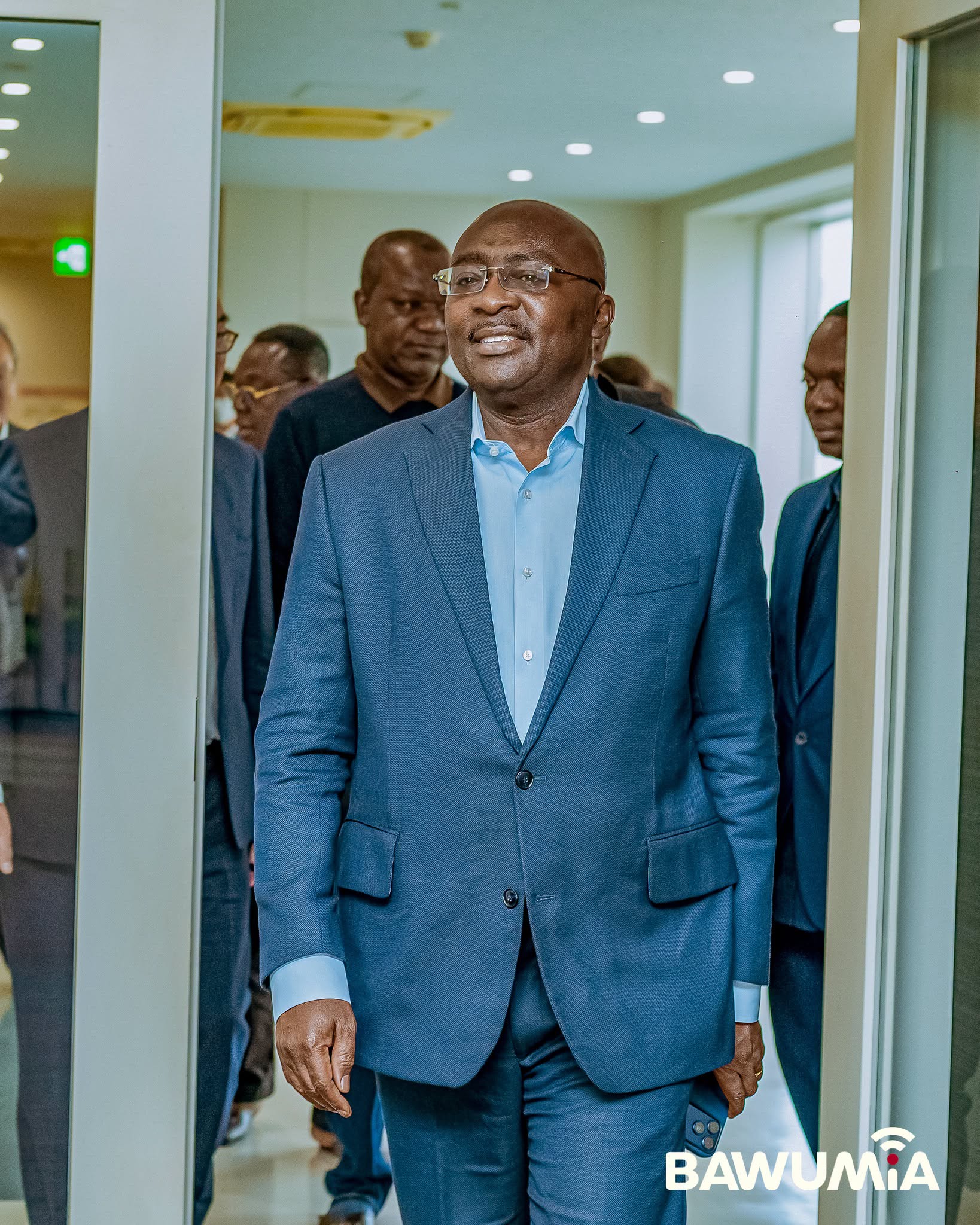

New Patriotic Party (NPP) flagbearer, Dr Mahamudu Bawumia, has launched a stinging criticism of the Bank of Ghana’s gold management strategy, insisting that the reported GH¢1.7 billion losses associated with gold trading could have been avoided if the central bank had concentrated on accumulating gold reserves rather than trading the precious commodity.

Speaking at a town hall meeting in Tokyo, Japan, Dr Bawumia challenged the policy direction adopted under the Gold-for-Reserves programme, arguing that Ghana was better served by retaining acquired gold as part of its national reserves instead of exposing the country’s holdings to trading-related losses.
His intervention has reignited the debate over the management of Ghana’s gold resources, the effectiveness of the Bank of Ghana’s reserve accumulation strategy and the financial consequences of decisions taken with the country’s national wealth.
According to Dr Bawumia, the fundamental problem lies in the decision to move beyond accumulating gold reserves into actively trading the commodity.
“If they had followed the way that we had wanted to do the Gold for Reserves programme in terms of accumulating reserves, those losses would not have been made. But once you decide to start trading in gold, you will make those losses,” he stated.
The former Vice-President’s argument raises important questions about whether Ghana is maximising the strategic value of its gold resources and whether the central bank’s approach is delivering the intended benefits to the national economy.
Gold remains one of Ghana’s most important economic assets, providing foreign exchange, supporting international reserves and offering a potential buffer against external economic shocks.
Consequently, the management of gold acquired under national reserve programmes requires transparency, sound financial judgement and a clear long-term strategy.
Dr Bawumia is advocating a shift towards reserve accumulation, arguing that the country should concentrate on building its gold holdings rather than pursuing a trading strategy that, in his assessment, exposes the central bank to avoidable losses.
The Bank of Ghana and the government must therefore provide Ghanaians with a comprehensive explanation of the financial implications of the programme, including the sources of the reported losses, the trading arrangements, the costs involved and the benefits ultimately realised.
The central bank’s credibility depends not only on its monetary policy decisions but also on its ability to demonstrate that national assets are being managed prudently and in the public interest.
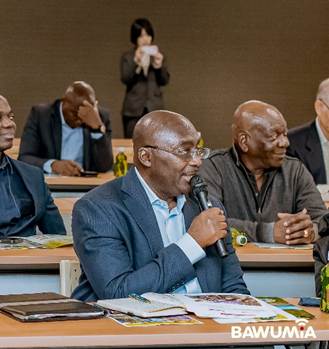
BAWUMIA DEFENDS HIS DIGITALISATION AGENDA
Beyond the controversy surrounding gold reserves, Dr Bawumia also used the Tokyo engagement to defend his economic vision and reject suggestions that he avoided discussions on the economy during the 2024 general election campaign.
He argued that his emphasis on digitalisation was not an attempt to divert attention from conventional economic issues but a recognition that the global economy had undergone a fundamental transformation.
According to him, countries that fail to invest in digital infrastructure, technology and innovation risk being left behind in an increasingly competitive global environment.
“Many people don’t understand that the world economy is now digital. The world economy is digital. If you don’t go digital, you cannot prosper in this global economy. You cannot. And if you don’t take your time and put your digital framework together, you’ll be left behind,” he stressed.
His comments underscore his longstanding position that digitalisation should be treated as a central pillar of economic transformation rather than a supplementary component of national development.
Dr Bawumia’s argument is that digital infrastructure can improve public service delivery, strengthen financial inclusion, reduce bureaucratic bottlenecks, promote business efficiency and create opportunities for young entrepreneurs.
For Ghana, this vision has implications for taxation, banking, agriculture, education, healthcare, trade and public administration.
The challenge, however, is translating digital ambitions into measurable improvements in productivity, employment creation and household incomes.
THE BIGGER ECONOMIC QUESTION
The two issues raised by Dr Bawumia in Tokyo point to competing but interconnected questions about Ghana’s economic future: how best to protect and maximise national assets, and how to position the country for a technology-driven global economy.
On gold, the debate is about whether Ghana should prioritise long-term reserve accumulation or pursue a more active trading strategy with its gold holdings.
On digitalisation, the debate concerns whether Ghana can build the infrastructure, skills and institutions necessary to compete in the modern global economy.
For the government and the Bank of Ghana, the gold controversy presents an opportunity to explain their policy choices and account for the financial outcomes.
For Dr Bawumia, it is an opportunity to reinforce his economic credentials and present an alternative policy direction as the NPP prepares for the next electoral contest.
Ultimately, Ghanaians deserve more than political exchanges over economic management. They deserve transparent accounting of national assets, responsible financial decisions and an economic strategy capable of delivering sustainable prosperity.