Adamus Resources Limited has vehemently denied allegations that it is engaged in illegal mining, describing attempts to portray the company as unlawful as misleading and unfair.
In a press release issued on April 29, the indigenous Ghanaian mining firm insisted that it operates under valid mining leases and permits granted in accordance with the laws of Ghana, and remains fully compliant with its regulatory obligations under the Minerals and Mining Act, 2006 (Act 703).
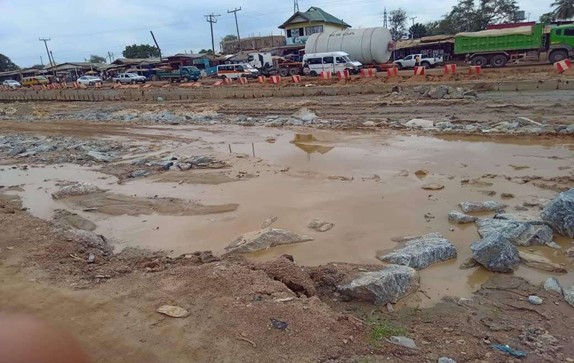
According to the company, the real challenge has been persistent illegal mining activities by unauthorised persons within its concessions at Akango, Salman, Nkroful, and nearby areas.
Adamus said these activities have posed serious safety and security threats over time, prompting the company to consistently document incidents and report them to the relevant state institutions for lawful intervention.
The company noted that past security operations within its concessions led to the arrest of some illegal miners and the seizure of excavators and other equipment used in the unlawful activities.
It expressed concern, however, that despite what it describes as available information, the ownership and control of the seized equipment have not been conclusively established by authorities.
Adamus further disclosed that it had on several occasions been approached by individuals seeking portions of its concession lands for what were described as community or small-scale mining activities.
The company said it rejected those requests because they were inconsistent with the law and its legal mandate, insisting that its refusal to accommodate such arrangements may have put it at odds with certain interests.
“It is against this background that the current allegations must be viewed,” the statement said, arguing that a regulated mining company operating under valid leases cannot reasonably be expected to engage in illegal mining within its own concessions.
Beyond denying wrongdoing, Adamus also raised concerns over what it says appears to be a disregard for due process in actions affecting its mining lease.
Citing Sections 5 and 68 of the Minerals and Mining Act, the company stressed that any suspension or cancellation of mineral rights must be backed by justification, transparency, and strict adherence to statutory procedures, including the opportunity for response.
It warned that any departure from these legal safeguards raises broader questions about regulatory certainty and the rule of law in Ghana’s extractive sector.
Adamus also argued that the treatment of a compliant indigenous mining company could send negative signals to investors, particularly at a time when local firms already face challenges accessing both domestic and international capital.
The company said perceived regulatory unfairness could weaken investor confidence, reduce funding opportunities for Ghanaian-owned mining firms, and ultimately affect their contribution to national development.
Adamus says it possesses extensive documentary evidence — including photographs, videos and audio recordings — of illegal mining activities within its concessions and is prepared to make them available to the appropriate authorities or any credible investigative body.
It also categorically denied allegations that it facilitated the bail of any individuals arrested in connection with illegal mining.
The company says it remains committed to lawful mining operations and is ready to cooperate with any transparent process aimed at establishing the facts.