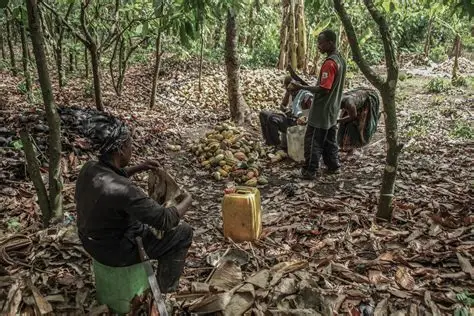
Chocolate tourism is more than just tasting chocolate. Visitors take part in the process by harvesting cocoa pods, opening them, tasting the fresh pulp and watching how the beans are fermented and dried. Some farms offer stays where visitors live on the farm and experience daily life. Others provide workshops where guests make their own chocolate bars. In some regions, cocoa is also used in cultural and traditional ceremonies.
Visitors learn the full journey of cocoa from planting and harvesting to fermentation, drying and processing. This learning exposure deepens appreciation for cocoa and chocolate, making cocoa farms ideal for tourism and research visits
The Ghana Tourism Authority has actively promoted cocoa farms as part of tourism circuits by encouraging tour operators to include them in travel packages. This means visitors (both domestic and international) can visit real cocoa farms to learn about cocoa cultivation, processing and its role in Ghana’s history and economy. In 2023, Ghana recorded 1,407,709 visits to major tourist attractions, the highest in four years, marking a 49% growth compared to the previous year. Domestic tourists accounted for 83% of this figure. While In 2024, domestic tourism continued to grow with about 1.68 million visits to key sites, a 19% increase over the previous year.
Cocoa prices often change due to climate and market challenges, which makes farming uncertain. Tourism helps by providing additional income through tours, accommodation and direct chocolate sales. It also creates jobs for young people and supports community development such as schools, health centers and infrastructure. When tourists buy chocolate directly from farms, more money stays within the community.
Travelers interested in cocoa tourism are encouraged to visit during harvest seasons for the best experience and choose tour operators that work closely with local farmers. Although cocoa tourism faces challenges such as climate change and limited rural infrastructure, it continues to grow. By turning cocoa farms into tourist destinations, farmers gain new opportunities, and travelers gain a deeper understanding of the journey behind one of the world’s favorite foods.
Ruth Sarah Roland-Vodzi
National Service Personnel
Corporate Affairs Department
Ghana Tourism Authority