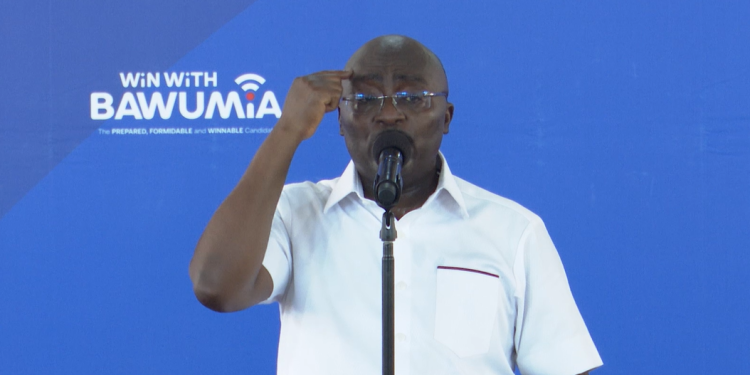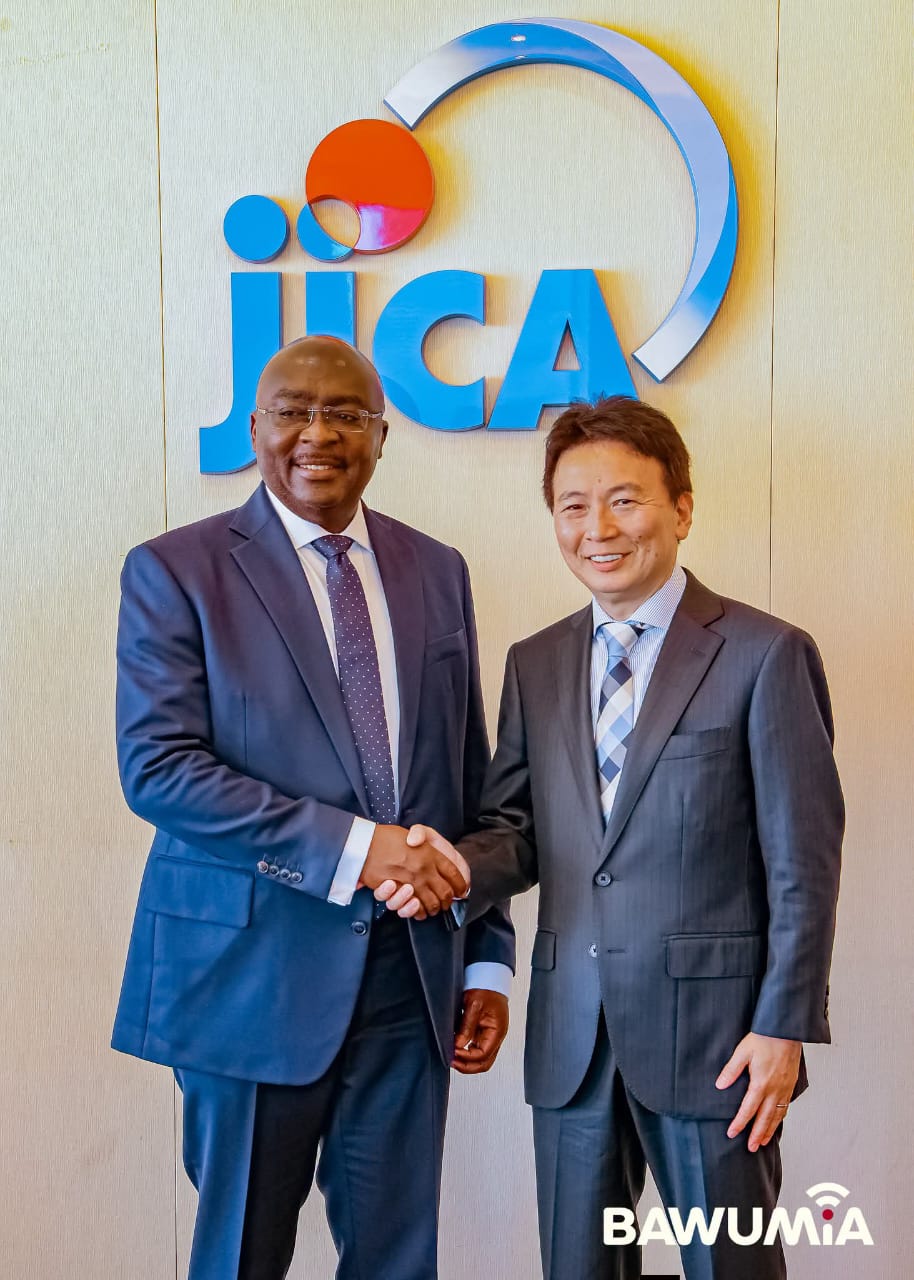
Dr Bawumia observed that Japan’s development model is anchored in consensus-building, long-term planning and sustained commitment to executing agreed national priorities.
He explained that the Japanese approach involves developing comprehensive plans, building broad consensus around them and committing resources towards their implementation over periods of up to 30 years.
This, he noted, significantly reduces the likelihood of incoming governments abandoning projects and programmes initiated by their predecessors.
He identified this as one of the fundamental differences between Japan and Ghana’s approach to national development.
GHANA MUST BREAK THE POLITICAL CYCLE
Drawing lessons from Japan’s development experience, Dr Bawumia argued that Ghana must move away from a situation where national development priorities are frequently disrupted by changes in political administration.
He observed that the country lacks sufficiently agreed masterplans in several critical development sectors to which successive governments can subscribe, irrespective of their political affiliations.
“This must change. I believe we can,” he stressed.
He proposed that Ghana should establish nationally agreed masterplans covering critical areas such as coastal erosion management, flood control and public transportation.
More importantly, he wants all political parties to formally sign up to these development blueprints to guarantee continuity when political power changes hands.
NATIONAL DEVELOPMENT ABOVE PARTISAN POLITICS
Dr Bawumia’s proposal is anchored in the belief that national development must not be sacrificed on the altar of partisan politics.
He argued that projects and policies designed to address long-term national challenges must be protected from political interference and discontinuity.
Under the proposed arrangement, whichever political party wins an election and forms the next government would be expected to continue implementing the agreed masterplans until their objectives are achieved.
The former Vice-President believes such an approach would provide Ghana with the institutional consistency, policy stability and long-term commitment required to deliver sustainable infrastructure and national development.
His message from Japan is clear: Ghana must begin to plan beyond election cycles and build a national development consensus that successive governments will respect.
A change of government should not mean abandoning the development agenda of the nation.
Dr Bawumia’s call presents an opportunity for a broader national conversation on how Ghana can establish lasting development priorities that transcend political administrations and deliver tangible benefits to present and future generations.
Source:
Statement by Dr Mahamudu Bawumia.