GHANA UNDER GROWING INTERNATIONAL NARCOTICS SCRUTINY
Cocaine, Methamphetamne and Heroin Seizures Raise Fresh Questions Over Ghana’s Ports and Airports
Ghana is coming under growing international scrutiny over a series of major narcotics seizures involving consignments that originated from, or passed through, the country, raising renewed questions about the effectiveness of controls at its airports, seaports and other points of exit.
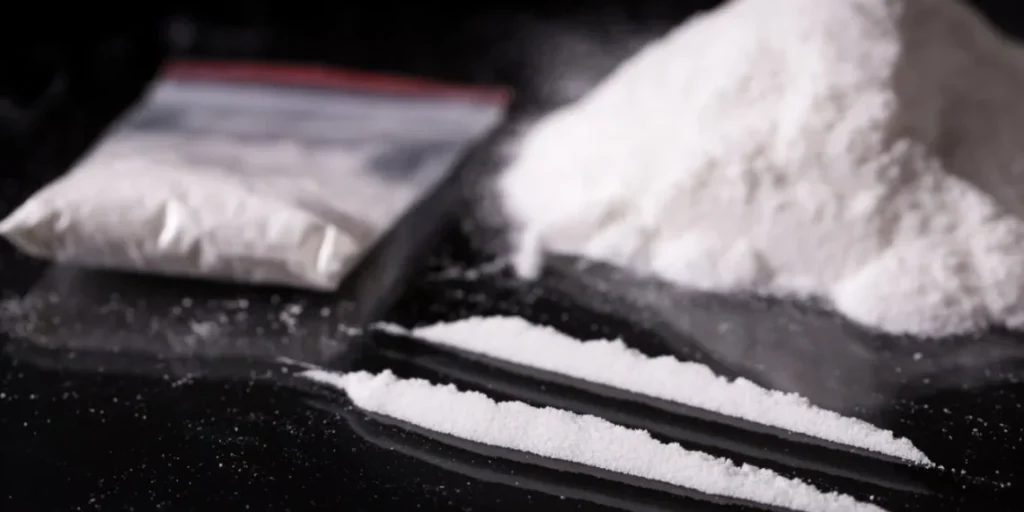
The latest developments have placed Ghana’s role in international drug-trafficking networks under an increasingly uncomfortable spotlight, particularly following the seizure in France of almost 3.9 tonnes of cocaine worth about €225 million (approximately US$261 million) from a container of plastic waste shipped from Ghana.
French authorities intercepted the shipment at the port of Dunkirk on September 10, 2026. The consignment was reportedly destined in part for Antwerp, Belgium.
The case has already triggered arrests in Ghana.
AUSTRALIA METH SHIPMENT
The French cocaine seizure is not an isolated Ghana-linked international drug case.
In June, Australian authorities disclosed that they had intercepted approximately 320 kilogrammes of methamphetamine concealed in two shipping containers declared as charcoal. The containers had originated from Ghana and arrived at Sydney’s Port Botany.
Australian Border Force said the shipment was worth an estimated A$296 million on the street and that three people had been charged in connection with the alleged importation. Investigators said they were continuing to pursue the suppliers and key facilitators.
The Australian case is significant because the drugs were allegedly concealed within an ordinary commercial commodity, demonstrating how international trafficking organisations can exploit legitimate trade channels.
NOW A HEROIN CASE IN SOUTH AFRICA
The latest development has extended the concern beyond cocaine and methamphetamine.
On Sunday, September 20, South African authorities arrested a 52-year-old South African national at OR Tambo International Airport after he arrived on a flight from Accra, Ghana.
Police said a search of his luggage uncovered bullet-like objects and blocks containing substances suspected to be heroin, with an estimated street value of more than R2 million.
South African authorities said the arrest was the third suspected drug-mule case at the airport in three weeks. The suspect is expected to appear before the Kempton Park Magistrates’ Court on drug-trafficking-related charges.
The South African seizure does not, by itself, establish that Ghana was the source of the heroin. However, the fact that the suspect had arrived from Accra adds another international narcotics incident involving a Ghana-linked route that requires investigation.
EUROPE’S DRUG TRAFFICKING THREAT
The European Union has already acknowledged that organised drug trafficking constitutes a major security threat and that criminal networks are diversifying their routes and concealment methods.
In its 2026 European Drug Report, the European Commission and the European Union Drugs Agency said cocaine and synthetic drugs remain widely available in Europe and that traffickers are increasingly exploiting different ports and sophisticated concealment techniques.
The EUDA identifies Antwerp, Rotterdam and major Spanish ports among Europe’s principal cocaine entry points, while Dunkirk and other French ports have also become significant entry points.
The Dunkirk seizure therefore raises questions beyond the individual criminal investigation: How did almost four tonnes of cocaine allegedly leave Ghana concealed in a legitimate commercial shipment without being detected before reaching Europe?
That question is particularly important because part of the shipment was reportedly destined for Antwerp, one of Europe’s major cocaine-entry and distribution hubs.
GHANA BECOMING A TRANSIT HUB
Ghana has definitively become a major international narcotics transit hub should be supported by comprehensive intelligence and seizure data rather than isolated incidents.
What is indisputable, however, is that multiple large international drug investigations in 2026 have involved consignments originating from Ghana.
The Australian case involved methamphetamine.
The French case involved nearly four tonnes of cocaine.
The latest South African case involves suspected heroin carried by a passenger arriving from Accra.
Taken together, the cases raise legitimate questions about whether international criminal networks are exploiting Ghana’s legitimate trade and air-transport connections to move narcotics to overseas markets.
NACOC itself has said Ghana will not be allowed to become a “safe haven, transit point or operational base” for international drug-trafficking organisations and has pledged cooperation with domestic and international law-enforcement agencies.
A NATIONAL SECURITY QUESTION
The issue is therefore no longer simply about individual arrests.
It concerns the integrity of Ghana’s border-security architecture.
How are containers selected for inspection?
How effective are risk-profiling systems at the ports?
Are customs and narcotics agencies adequately resourced?
Are corrupt insiders facilitating the movement of narcotics?
How are freight-forwarders, exporters and shipping agents vetted?
And, crucially, are Ghanaian authorities receiving sufficient intelligence from European, Australian and African partners before suspicious consignments leave the country?
These questions demand answers.
The international seizures have already exposed vulnerabilities that criminal networks may be attempting to exploit.
For Ghana, the danger is not only the illegal drugs themselves. There is also the potential damage to the country’s international reputation, legitimate exporters, shipping industry and relations with foreign law-enforcement agencies.
With almost four tonnes of cocaine seized in France, 320 kilogrammes of methamphetamine intercepted in Australia and suspected heroin seized from a passenger arriving in South Africa from Accra, Ghana faces an urgent need to demonstrate that its ports and airports are not being systematically exploited by international narcotics networks.