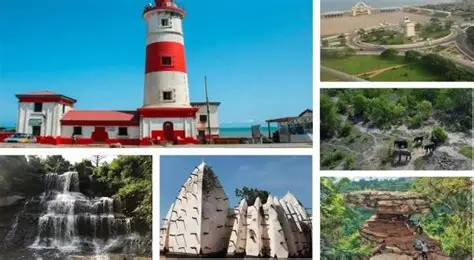
What is Domestic Tourism?
Domestic tourism refers to residents of a country traveling within their own country’s borders for leisure, business, or other purposes. It includes short trips, weekend getaways, and “staycations,” providing a major boost to local economies without the need for passports, visas, or currency exchange.
Domestic tourism has become one of the most important drivers of Ghana’s tourism industry in recent years. As more Ghanaians continue to explore destinations within the country, domestic tourism is gradually contributing to economic growth, cultural preservation, national unity, and the development of local businesses. Through strategic campaigns, tourism policies, and stakeholder involvement, Ghana is steadily positioning itself as a leading domestic tourism destination in Africa.
One of the major efforts aimed at promoting domestic tourism is the recently launched “Experience Ghana” campaign by the Ghana Tourism Authority. The campaign encourages citizens and visitors to travel across the country, experience Ghanaian culture, visit tourist attractions, and share their experiences through digital platforms. The initiative seeks to deepen domestic tourism, increase global visibility, and position Ghana as a leading tourism destination through digital engagement and storytelling.
Before the introduction of “Experience Ghana,” the tourism sector implemented several domestic tourism campaigns such as “See Ghana,” “Eat Ghana,” “Wear Ghana,” “Feel Ghana,” and “Experience Ghana, Share Ghana.” These campaigns focused on encouraging citizens to patronize local tourist sites, consume locally made products, support Ghanaian fashion, and appreciate Ghanaian culture. The campaigns helped increase public interest in domestic tourism and promoted a stronger sense of national identity. Together, these initiatives have contributed to a growing tourism culture among Ghanaians, especially among the youth.
According to the 2024 Tourism Report by the Ghana Tourism Authority, domestic tourism in Ghana has experienced remarkable growth in recent years. Total visitation to selected tourist sites increased from 1,407,709 in 2023 to 1,681,985 in 2024, representing a 19% increase. Residents accounted for approximately 85% of all visits, showing that domestic tourists continue to dominate tourism activities within the country. The report further revealed that over 1.3 million visits were recorded across the top ten tourist sites in Ghana.
Among the most visited tourist attractions in 2024 were Kwame Nkrumah Memorial Park, Kakum National Park, Bunso Arboretum, Cape Coast Castle, and Aburi Botanical Gardens. The Kwame Nkrumah Memorial Park alone recorded more than 333,000 visits in 2024, making it the most visited tourist site in the country. These figures demonstrate the increasing interest in domestic travel and tourism-related activities among Ghanaians.
Domestic tourism also plays an important role in promoting the consumption of local products. When tourists travel within the country, they patronize local food vendors, traditional caterers, hotels, transportation services, craft producers, fashion designers, and entertainment businesses. Campaigns such as “Eat Ghana” and “Wear Ghana” were specifically designed to encourage the consumption of Ghanaian food and clothing. Local dishes such as fufu, banku, waakye, kenkey, and Ghanaian beverages are heavily patronized during tourism events and festivals. Likewise, locally produced fabrics and clothing are often promoted during cultural celebrations and tourism activities.
The impact of domestic tourism extends beyond the tourism sector itself. It significantly affects other sectors of the economy, including transportation, hospitality, agriculture, trade, entertainment, and small-scale enterprises. During the 2024 Kwahu Easter Paragliding Festival, for instance, businesses experienced increased sales and customer traffic. The tourism report revealed that average food sales increased from GHC 207 before Easter to GHC 1,347.50 during the festival period. Hotels, guest houses, pubs, restaurants, transport operators, and local traders all benefited economically from the increased tourist activities.
Domestic tourism also contributes to employment creation and community development. As more tourist sites attract visitors, employment opportunities are created for tour guides, artisans, hotel workers, transport operators, event organizers, photographers, and food vendors. The growth of tourism enterprises in Ghana further reflects the importance of the sector. In 2024, Ghana recorded 6,702 licensed tourism enterprises, an increase from 5,786 in 2023. This indicates continuous expansion within the tourism and hospitality industry.
The role of tourism operators and the Ghana Tourism Authority in promoting domestic tourism cannot be overlooked. The Ghana Tourism Authority is responsible for regulating, supervising, and promoting sustainable tourism development in the country. The Authority organizes tourism campaigns, festivals, educational programs, and promotional activities aimed at increasing domestic travel. It also collaborates with tour operators, hospitality businesses, site managers, and local communities to improve tourism services and infrastructure.
Tourism operators, including tour guides, hotel managers, transport providers, and travel agencies, equally contribute to the growth of domestic tourism by providing quality services and creating attractive travel packages for tourists. Their activities help improve tourists’ experiences and encourage repeat visits to tourist destinations across the country.
Despite the progress made, domestic tourism in Ghana still faces several challenges, including poor roads to some tourist sites, inadequate infrastructure, limited tourism education, and high transportation costs. Nevertheless, the continuous introduction of tourism campaigns, government support, and increasing public interest in local travel indicate a promising future for the sector.
In conclusion, domestic tourism has become an essential pillar of Ghana’s socio-economic development. Through campaigns such as “See Ghana,” “Eat Ghana,” “Wear Ghana,” “Feel Ghana,” and the recently launched “Experience Ghana,” the tourism sector continues to encourage Ghanaians to appreciate and invest in their own country. The steady rise in visitor numbers, increased business activities, and growing support for local products all demonstrate the positive impact of domestic tourism on Ghana’s economy and national identity. With sustained investment, effective marketing, and stakeholder collaboration, domestic tourism in Ghana will continue to thrive and contribute significantly to national development.
Reference
▪︎ Ghana Tourism Authority. 2024 Tourism Report
▪︎ Ministry of Tourism, Culture and Creative Arts, Ghana.
Erica Teye-Wayo
Intern
Corporate Affairs Department
Ghana Tourism Authority