Labor tensions in Ghana returned to the national spotlight in March 2026 after the Civil and Local Government Staff Association of Ghana (CLOGSAG) declared a nationwide strike effective March 9, 2026. The action disrupted public offices and renewed attention on a long-running dispute over the implementation of a negotiated unique salary structure and improved conditions of service for civil and local government workers.
At the center of the dispute is more than a pay demand. Reports indicate that discussions on the salary framework date back to 2019, with implementation initially expected in January 2023 and later shifted to January 1, 2025. When that commitment remained unresolved, frustration among workers deepened.
The National Labour Commission also became involved, reportedly directing CLOGSAG to call off the strike and summoning the parties for further engagement. This placed the dispute within a familiar but difficult question in Ghana’s labor relations system: how can industrial action be managed lawfully while still responding meaningfully to workers’ concerns?
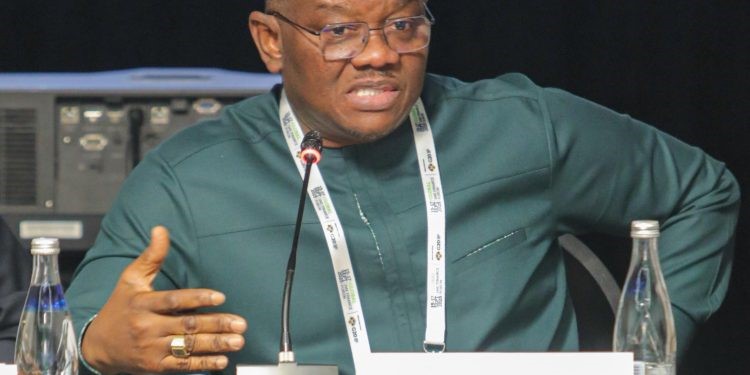
To better understand the issues behind the current unrest, I spoke with Mrs. Adelaide Denkyi, a labor relations practitioner with more than two decades of experience in financial administration and union engagement.
Her perspective is clear: disputes like this are rarely just about salaries.
“In many cases, workers are looking for transparency and consistency,” she explained. “They want to know that agreements will be respected and that decisions affecting them are made fairly.”
That observation goes to the heart of the current tension. While wages are the immediate concern, the deeper issue is trust—whether commitments made between government and workers are reliably honored.
Economic pressure is also part of the picture. Rising living costs and uncertainty have placed additional strain on workers across many sectors.
“When working conditions and compensation fail to keep up with economic realities, frustration builds,” Denkyi noted.
That frustration is not unique to Ghana. Across many developing economies, governments are trying to balance fiscal constraints with rising expectations from workers. If not handled carefully, negotiations can quickly turn into confrontation.
Yet confrontation, Denkyi emphasized, rarely produces lasting solutions.
“Industrial relations should be seen as a partnership,” she said. “Both sides ultimately want stable institutions and economic sustainability.”
That idea points to what is often missing in moments of labor unrest: structured and continuous dialogue. Strong labor systems are not built only during crises. They depend on ongoing communication that builds trust before disputes escalate.
“Dialogue is critical,” she added. “When communication breaks down, even manageable disagreements can become difficult to resolve.”
Another issue that deserves attention is financial transparency. Workers are more likely to understand difficult decisions when institutions communicate clearly about the constraints they face.
“When organizations are open about their financial realities, it creates space for understanding,” Denkyi explained.
Transparency does not remove disagreement, but it can reduce suspicion and make negotiation more constructive.
Beyond the immediate dispute, Ghana’s labor environment is also being shaped by broader changes in work. As economies evolve, workers are thinking not only about wages, but also about job security, skills, opportunity, and long-term stability.
Today’s workforce is operating in a world shaped by digital systems, automation, and new forms of work. This means labor discussions can no longer focus only on compensation. They must also consider how workers are prepared for change and how institutions support that transition.
“Employability today requires more than technical skills,” Denkyi said. “Adaptability, communication, and responsibility are just as important.”
As labor tensions continue, the path forward will depend on whether both sides are willing to return to the table with a broader view of the issues at stake.
Labor disputes are not new. But how they are handled matters. When dialogue, transparency, and mutual respect are prioritized, they can strengthen institutions. When they break down, the costs are felt not only by workers and employers, but also by the public.
For Ghana, the lesson is clear: sustainable labor relations require more than agreements on paper. They depend on trust, accountability, and a shared commitment to long-term stability.