…Facing Public Backlash Over
Poor Performance, Unfulfilled Promises, Incompetence& Corruption Allegations
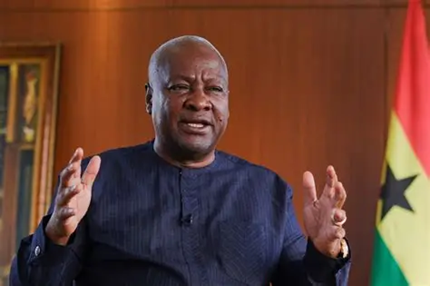
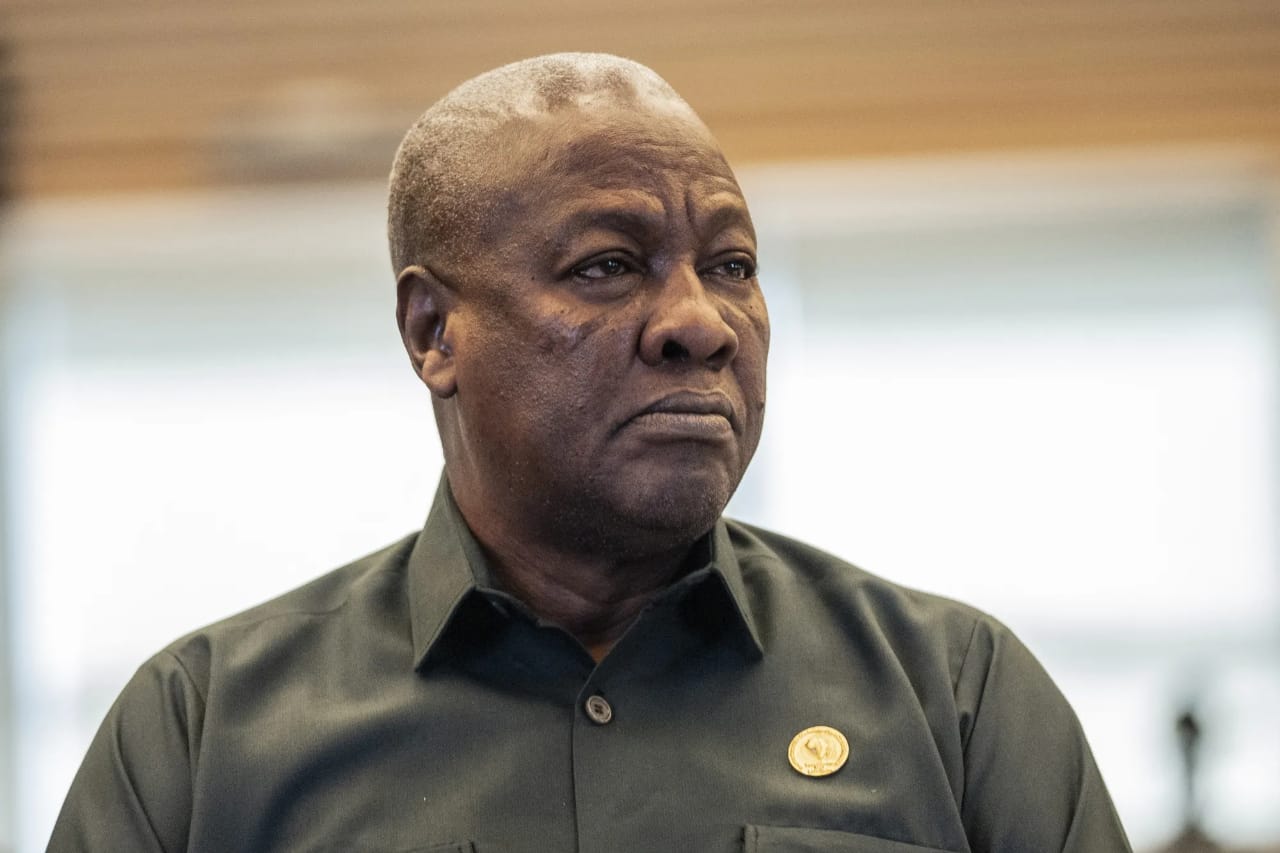
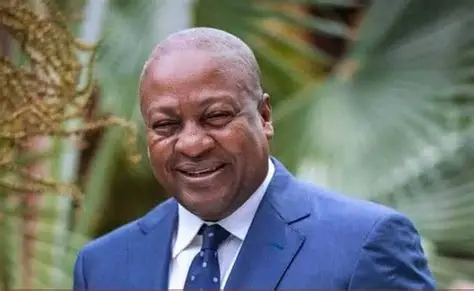
In politics, perception can be as powerful as reality. And for John Dramani Mahama and his National Democratic Congress (NDC) administration, the early phase of governance is increasingly being defined not by the optimism of a political comeback, but by a growing cloud of controversy, unmet expectations, and public unease.
From mining concessions to economic pressures, critics argue that the administration risks squandering the goodwill that brought it back to power.
A Storm Over Natural Resources
At the heart of the criticism lies the handling of strategic mining assets. The controversy surrounding the Damang concession previously linked to Gold Fields Ghana has ignited debate over transparency and fairness in resource allocation. Parallel concerns have emerged over the Black Volta enclave, where questions persist about who benefits and how decisions are made.
For many observers, the recurring mention of businessman Ibrahim Mahama in these discussions has sharpened accusations of perceived insider advantage—even as no court has established wrongdoing. In politics, however, perception often travels faster than proof.
Optics and Austerity Don’t Mix
Few issues provoke public anger faster than the appearance of excess in times of hardship. Reports of a luxury Bombardier jet linked to circles around power have struck a nerve in a country battling high living costs. Whether justified or not, the symbolism is politically costly: a leadership seen as distant from the economic pain of ordinary citizens.
Broken Promises or Hard Realities?
The cocoa sector tells its own story of discontent. Farmers who recall bold campaign promises now confront price decisions that fall short of expectations. In a nation where cocoa is both livelihood and legacy, such gaps between promise and delivery cut deep.
Meanwhile, the lingering spectre of dumsor—Ghana’s dreaded power instability—has returned to the political spotlight. For critics, it signals policy failure; for government, it reflects deeper structural constraints. For businesses and households, however, the distinction offers little comfort.
The Jobs Question
Perhaps the most politically dangerous fault line is employment. The much-publicised 24-hour economy policy has yet to translate into visible, large-scale job creation. At the same time, frustration is mounting among teachers, nurses, and graduates facing delays in recruitment and remuneration.
In a youthful nation with rising expectations, time is a luxury no government can afford.
Corruption Narrative Gains Ground
No administration escapes allegations of corruption—but the scale and persistence of such claims matter. Opposition voices have amplified accusations of graft within government ranks, shaping a narrative that threatens to define the administration unless forcefully countered with transparency and accountability.
Social Policy and Political Caution
On contentious social legislation, including debates tied to LGBTQ+ issues, the government’s cautious approach has alienated sections of its support base who expected decisive action. Here, the tension between governance, rights, and political promise is on full display.
A Presidency at a Crossroads
The challenge before John Dramani Mahama is not unfamiliar: how to convert political victory into sustained public confidence. The difference this time is the heightened scrutiny and reduced patience of an electorate that has seen it all before.
For the National Democratic Congress, the warning signs are clear. Governance is no longer judged by rhetoric, but by results—felt in electricity supply, paychecks, food prices, and fairness in opportunity.
The window for resetting the narrative is still open. But in Ghana’s unforgiving political climate, it does not stay open for long.