Editorial:
Governments are not judged by the poetry of their campaigns but by the prose of their performance. And for John Dramani Mahama and the National Democratic Congress (NDC), the prose is becoming increasingly difficult to defend.
What was sold as a return to experience and stability is, in the eyes of many critics, drifting into a pattern of controversy, delay, and uneasy optics. The goodwill that accompanied the political comeback is not yet exhausted—but it is no longer secure.
Perception Is Becoming the Problem
In governance, perception can harden into political reality. The ongoing debate over mining concessions—from assets linked to Gold Fields Ghana to the contested Black Volta enclave—has raised uncomfortable questions about transparency and fairness.
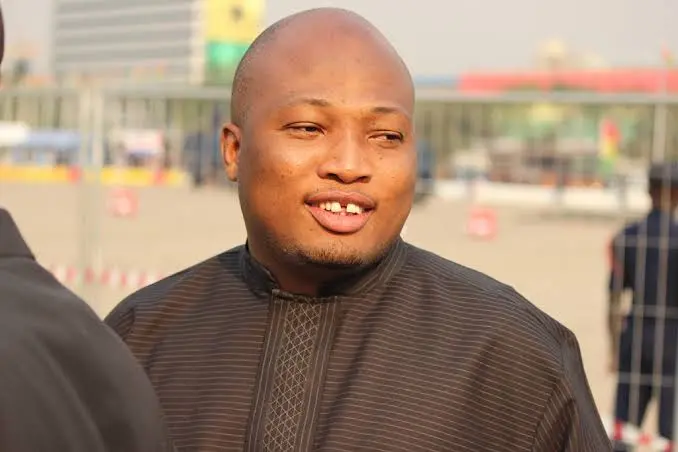
The persistent association of these issues with Ibrahim Mahama may not amount to legal proof of wrongdoing. But that is beside the point. Leadership is not only about avoiding impropriety; it is about avoiding the appearance of it.
Right now, that line looks blurred.
A Question of Priorities
Economic hardship has a way of clarifying public judgment. When households are under pressure, government choices are weighed not just on policy grounds, but on moral ones.
This is why reports of high-value assets and elite comfort resonate so sharply. Whether fully justified or not, they risk sending the wrong message: that those at the top are insulated from the sacrifices expected of everyone else.
In politics, optics are not superficial—they are substantive.
Promises Are Now Liabilities
Campaign promises are meant to inspire. In government, they can become liabilities.
From cocoa pricing frustrations to the slow materialisation of the much-publicised 24-hour economy, the gap between expectation and delivery is widening. Add to this the lingering anxiety over power stability—dumsor—and the result is a narrative that writes itself: overpromise, underdeliver.
Governments rarely recover easily from that label.
The Silence on Jobs Is Loud
Unemployment is not an abstract statistic; it is a daily lived reality. For teachers awaiting postings, nurses awaiting clearance, and graduates navigating a tight labour market, time feels slower—and patience thinner.
Policies announced but not felt quickly become policies doubted. And doubt, once it settles, is difficult to dislodge.
Corruption: The Unanswered Charge
No government escapes allegations of corruption. But unanswered allegations accumulate weight.
Opposition voices have framed the administration as permissive of excess within its ranks. Whether fair or not, the response so far has lacked the force and clarity needed to neutralise that claim.
In the court of public opinion, silence is rarely neutral—it is often interpreted as concession.
Caution or Indecision?
On contentious social issues, the government’s cautious posture may be politically calculated. But to sections of the electorate, it reads as hesitation.
Leadership is ultimately about choices. And when those choices are delayed, the political cost compounds.
A Narrowing Window
The challenge before John Dramani Mahama is no longer about winning power—it is about sustaining trust.
The task is clear: restore confidence in decision-making, demonstrate fairness in the allocation of national resources, and align governance with the economic realities citizens face daily.
For the National Democratic Congress, the warning signs are unmistakable. Public goodwill is not a permanent asset. It is a perishable one.
Final Word
This is not yet a verdict—but it is a warning.
Ghanaians have shown they are willing to give leaders a second chance. What they are far less willing to do is offer a third.
The difference between the two is performance.