Kwabena Adu Koranteng Writes
At a time when questions about corporate responsibility and tax compliance continue to dominate Ghana’s economic discourse, one indigenous company has stepped forward not with words, but with action.
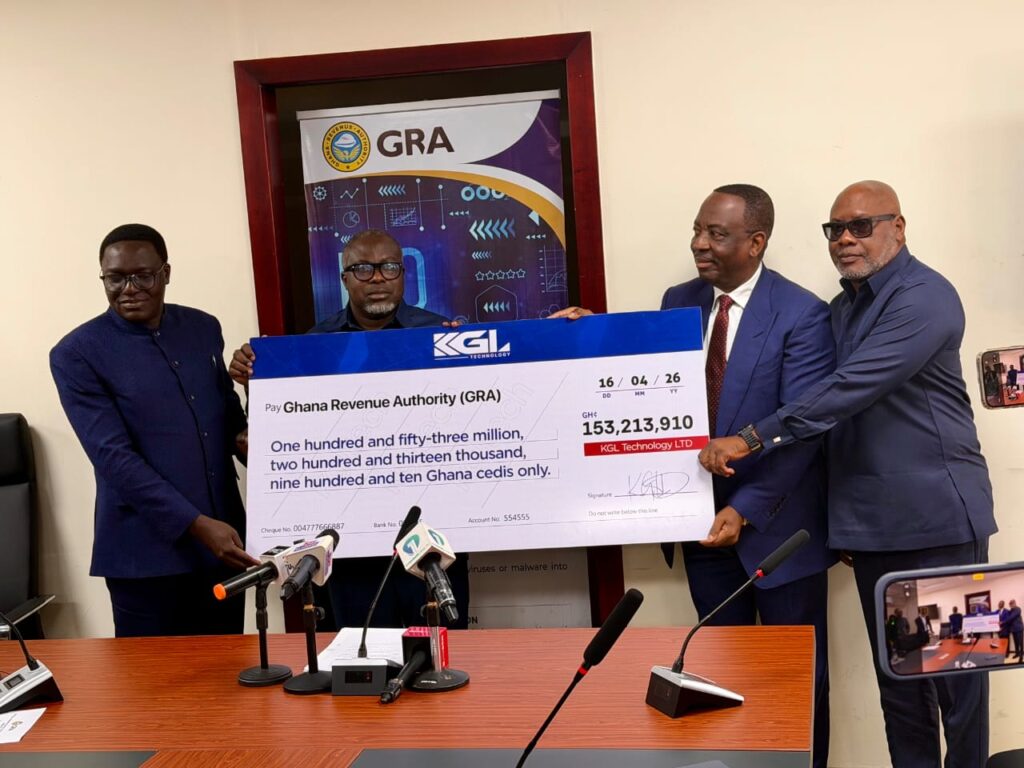
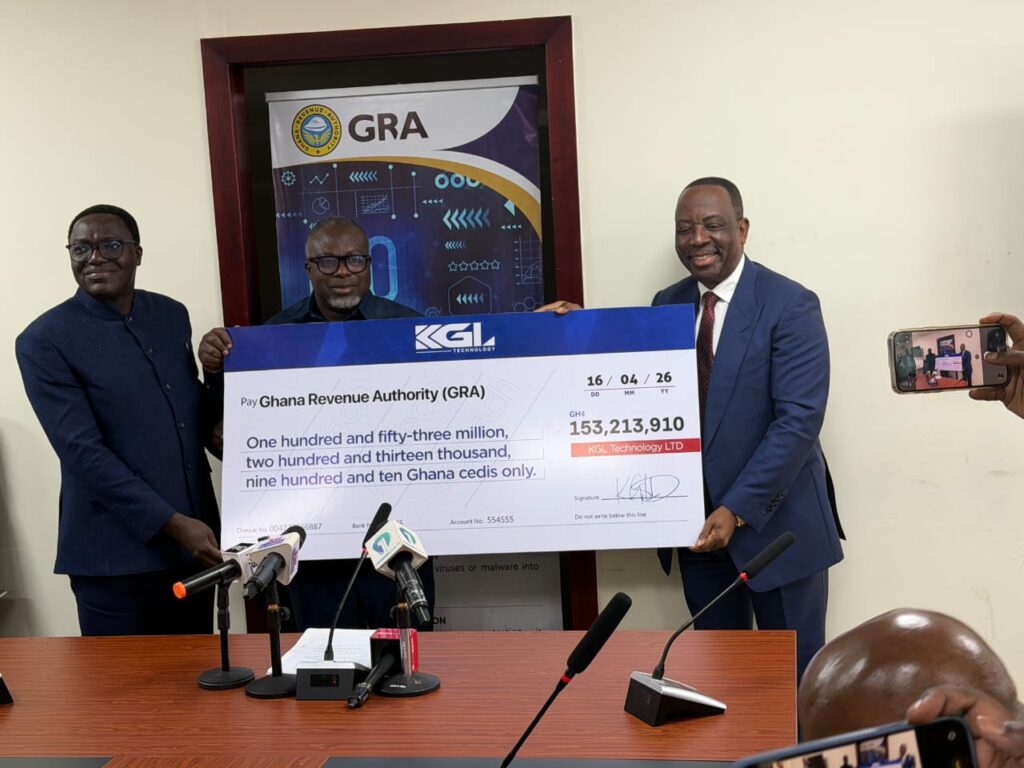
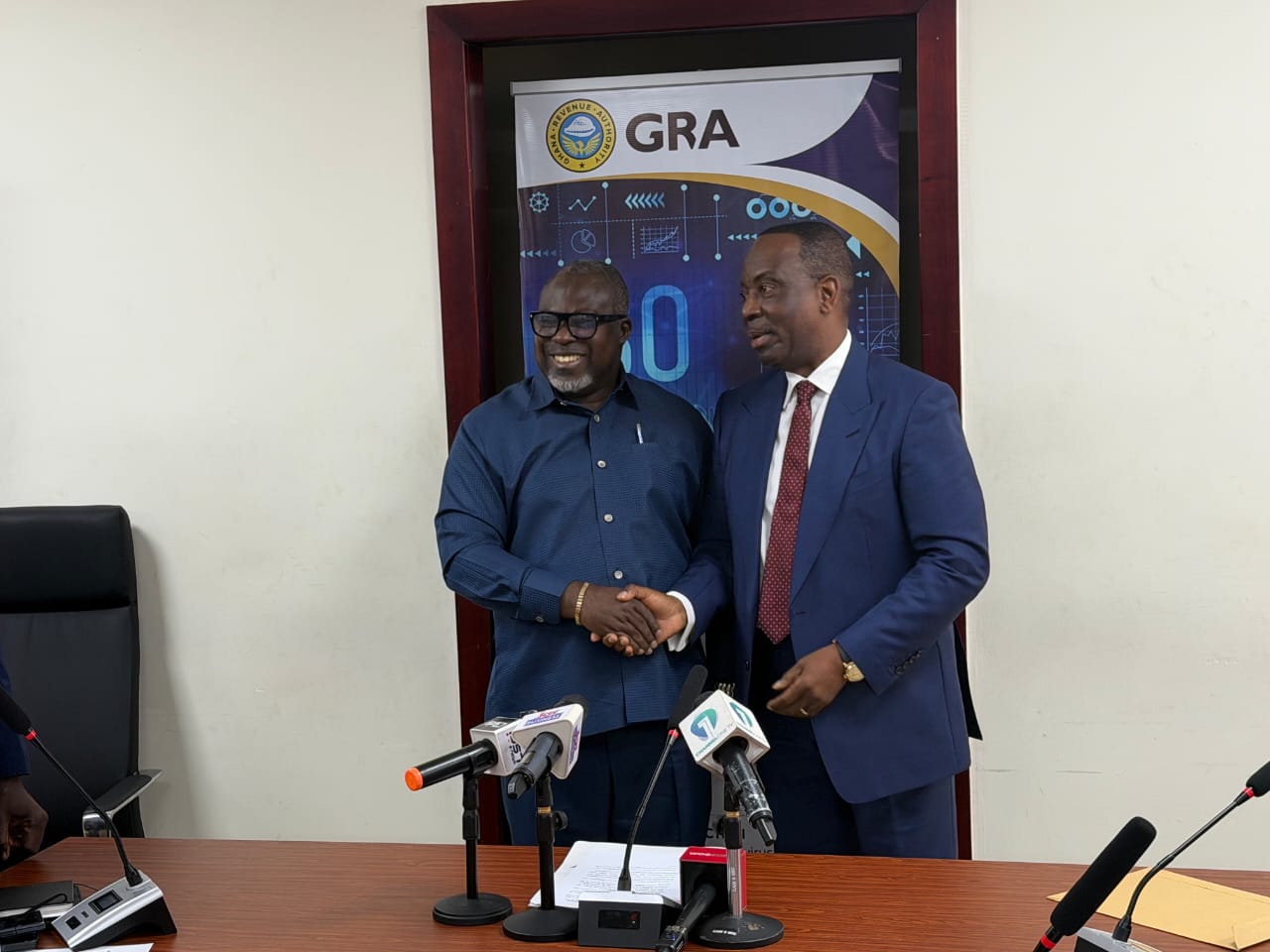
Last week, the KGL Group, led by its Executive Chairman Alex Apau Dadey, demonstrated what it truly means to be a responsible corporate citizen. The company paid a staggering GHS 153 million in corporate income tax to the Ghana Revenue Authority at a compliance presentation in Accra.
This is not just impressive it is instructive.
In an economy where many state-owned enterprises struggle with efficiency and accountability, KGL’s contribution stands as a benchmark. It challenges both public and private sector institutions to rethink their commitment to national development. If ten indigenous companies matched this level of compliance annually, Ghana would be looking at over GHS 1.5 billion in tax revenue funds that could transform infrastructure, healthcare, and education.
The significance of this moment goes beyond the cheque presented. It reflects a philosophy one rooted in responsibility, discipline, and long-term value creation.
“As a company, we do not see tax as a burden,” Mr. Dadey noted during the presentation. “It is our contribution to the national purse our way of giving back to the society that enables our success.”
That mindset is rare and necessary.
In 2025 alone, KGL reportedly made direct payments totaling GHS 350 million to the state, including GHS 180 million to the National Lottery Authority. These figures underscore a deeper truth: indigenous Ghanaian businesses, when properly structured and supported, can be powerful engines of national growth.
Beyond taxation, KGL’s footprint in social investment is equally noteworthy. Through the KGL Foundation, the group has committed over GHS 40 million to community development initiatives. Its support for the Ghana national football team and grassroots football, alongside infrastructure projects such as the KGL–EVE Medical Centre in Kumasi and the Alex Dadey Alumni Centre at the University of Ghana, reflects a holistic approach to nation-building.
This is what responsible capitalism should look like.
Ghanaians are quick to rally behind foreign brands, yet often hesitant to fully support local enterprises. But companies like KGL are making a compelling case for a shift in mindset. They are proving that indigenous businesses can be transparent, compliant, and impactful—without compromising on ambition or scale.
The lesson is clear: Ghana does not lack capable businesses. What it needs is an enabling environment that nurtures them fair regulation, policy consistency, and national support.
KGL has shown the way. The question now is whether others will follow.