Kwabena Adu Koranteng Writes
In every democracy, civil society organisations are expected to be the fearless watchdogs of government. They speak when citizens cannot, challenge authority when it goes wrong, and defend the national interest when politicians fail.
But today in Ghana, a troubling question is echoing across the political landscape: Where have the civil society organisations gone?
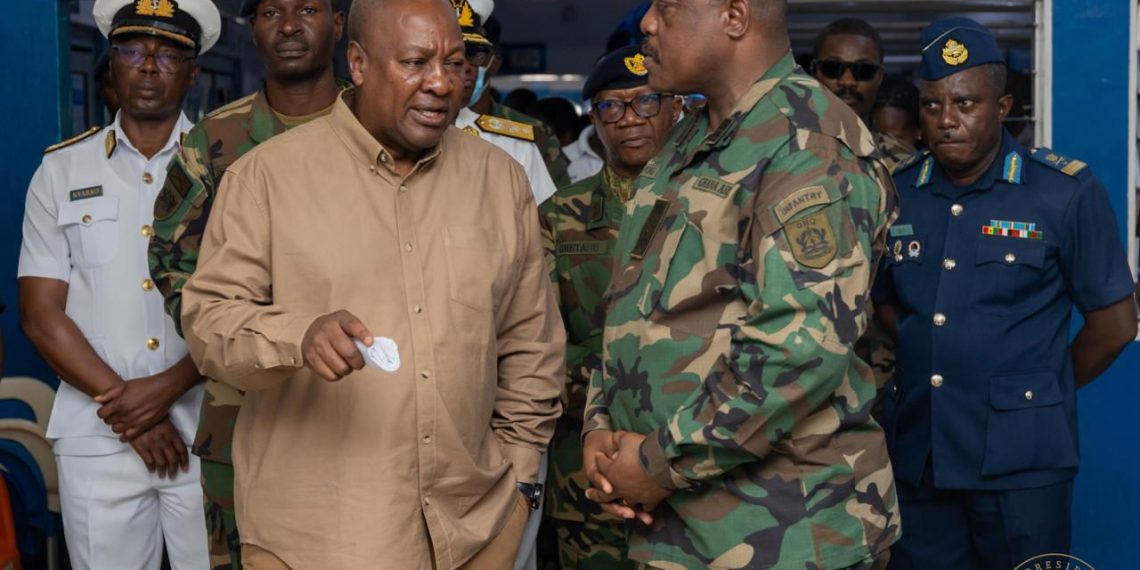
Under the administration of President John Dramani Mahama and the governing National Democratic Congress (NDC), many of the once-vocal civil society groups that fiercely attacked the previous government appear to have suddenly fallen silent.
During the years of the New Patriotic Party (NPP) administration, Ghana witnessed a flood of activism from CSOs. Press conferences were frequent. Demonstrations were loud. Reports accusing the government of corruption, mismanagement, and abuse of power dominated headlines.
Civil society leaders positioned themselves as guardians of the public interest and champions of accountability.
Yet today, that loud chorus has largely faded into an uncomfortable silence.
The Politics of Co-optation
Critics believe the silence is no accident.
They argue that the Mahama administration, aware of the disruptive power of civil society activism, moved quickly after assuming office to neutralize potential opposition from these groups.
The strategy, according to critics, was simple but effective: co-optation through opportunity.
Some civil society leaders were reportedly invited to submit proposals for consultancy services, policy partnerships, and government-funded projects. Others were encouraged to present contract proposals to state agencies, with the promise that their ideas would be “considered.”
A few have allegedly been absorbed into advisory and consultancy roles within government institutions.
The effect is obvious.
Once a civil society leader has submitted a contract proposal to government, how likely are they to publicly criticize the same administration that now controls the fate of that proposal?
The moment personal interest enters the equation, independence begins to erode.
Silence Bought With Access
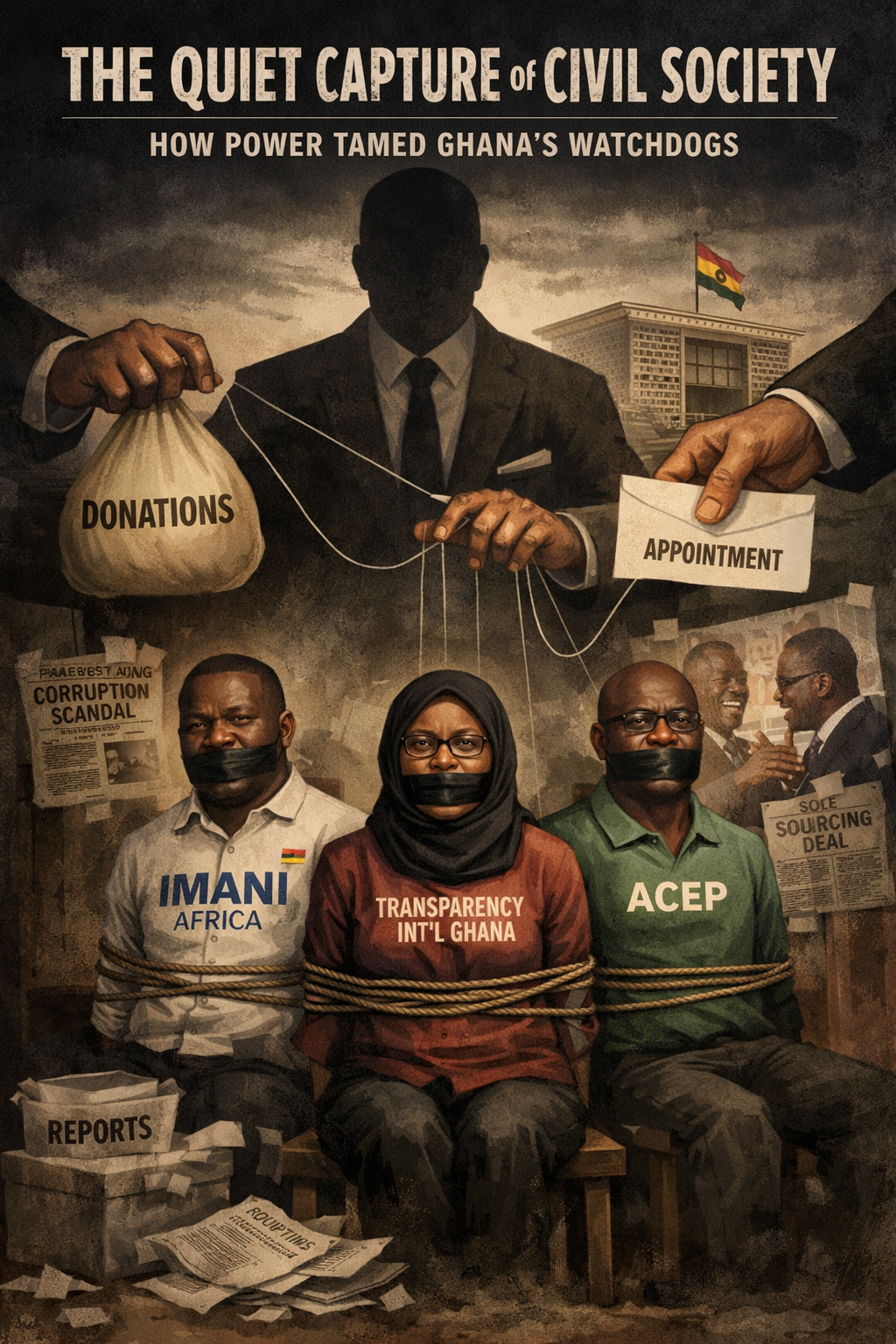
The result, critics argue, is the quiet capture of Ghana’s civil society space.
Activists who once mobilized protests now issue polite statements. Organisations that once demanded investigations now choose diplomatic silence.
It is a transformation that many observers describe as the conversion of watchdogs into lapdogs.
In the eyes of critics, the independence that once defined Ghana’s civil society movement is gradually being replaced by access, patronage, and quiet accommodation.
A Dangerous Precedent
This development, if allowed to continue, poses a serious threat to Ghana’s democratic health.
Civil society is meant to stand between citizens and the excesses of power. When that barrier collapses, governments operate with fewer checks, less scrutiny, and greater temptation to abuse authority.
The issue goes beyond any single political party or administration. The danger lies in a system where activism becomes a stepping stone to government contracts rather than a commitment to public accountability.
A Call for a New Generation
Ghana cannot afford a civil society that is timid, compromised, or beholden to political power.
The country needs a new generation of independent voices—activists who cannot be bought, consultants who refuse political patronage, and organisations that remain loyal to the public rather than to the corridors of power.
Because when civil society is captured, democracy itself begins to weaken.
And when the watchdogs fall silent, those in power rarely feel the need to behave.