Ghana’s war against illegal mining is not being lost because we lack soldiers, intelligence, or policy direction. It is being lost because those with power—chiefs, politicians, and local elites—continue to use their influence to protect galamsey interests instead of protecting the national interest.
The alarm raised by the National Anti-Illegal Mining Operations Secretariat (NAIMOS) in Sekondi should trouble every citizen. When Lieutenant Colonel Joshua Satekla openly admits that interference from politicians, traditional authorities and other power brokers is crippling field operations, it confirms what many have whispered for years: the system is sabotaging itself.
How can “no-go zones” be maintained when those entrusted with authority are the very ones creating openings for illegal miners? How can district security committees function when MMDCEs take instructions from vote-hungry political patrons instead of enforcing law and order? How can chiefs preach cultural preservation while facilitating the destruction of rivers and farmlands for quick royalties?
This hypocrisy must end.
Galamsey is not merely an environmental crime; it is an attack on public health, agriculture, water security, and future generations. Yet, strangely, it thrives in areas under the custodianship of some of Ghana’s most revered institutions.
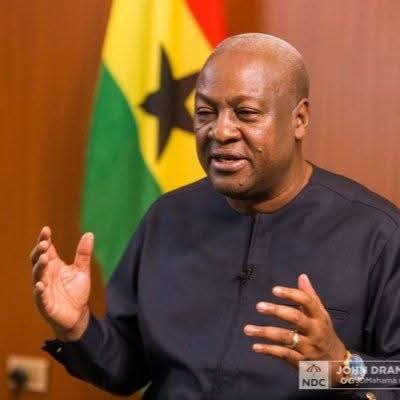
The Western Regional Minister is right to rally support for President Mahama’s renewed push to eradicate galamsey. But speeches and directives are not enough. The country needs political courage and institutional backbone. Those who interfere in anti-mining operations must be exposed, named, and sanctioned — not politely tolerated.
Traditional leaders who shield illegal miners must be held accountable under the law, not shielded under the guise of culture or diplomacy. Politicians who trade enforcement for votes must be treated as saboteurs, not stakeholders.
Ghana cannot continue pretending that fighting galamsey is simply a technical or logistical problem. It is fundamentally a leadership and integrity crisis.
If the state is serious about ending illegal mining, it must first purge its own house — from the palace to the district assembly to Parliament. The fight can only be won when power stops conspiring with illegality.
Until then, the rivers will remain poisoned, the forest reserves will vanish, and the cries of agencies like NAIMOS will echo unanswered.
The nation deserves better and those abusing power must finally be confronted.