Serious questions are being raised about the integrity of the ongoing security services recruitment exercise after it emerged that only about 5,000 vacancies exist despite hundreds of thousands of application forms reportedly being sold to desperate young Ghanaians.
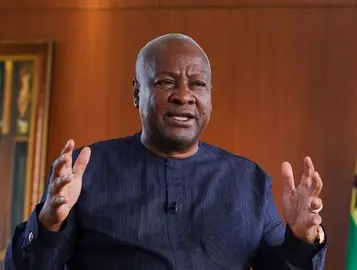
The controversy has placed the government of President John Dramani Mahama under intense public scrutiny, with critics describing the recruitment process as exploitative and deeply unfair to unemployed youth struggling to find work.
At the centre of the storm is the GH¢220 fee charged for each application form for enlistment into the country’s security services, which fall under the supervision of the Ministry of the Interior led by Mubarak Mohammed Muntaka.
Across the country, thousands of hopeful applicants queued for hours and in some cases days to secure the forms, believing the exercise represented a genuine opportunity to secure stable employment in the police, immigration, fire service and other state security institutions.
However, emerging information indicating that only about 5,000 positions are actually available has triggered anger and disbelief among many applicants who feel misled.
Critics argue that selling such a large volume of forms when the number of available positions was known from the outset raises troubling ethical concerns. For many unemployed youth, the GH¢220 fee represents a significant financial sacrifice. Some reportedly borrowed money from friends and family or used their last savings in the hope of securing a life-changing opportunity.
If indeed hundreds of thousands of forms were sold nationwide, analysts estimate that the total amount generated from the exercise could run into hundreds of millions — and possibly over a billion Ghana cedis.
This has fueled accusations that the recruitment exercise may have become more of a revenue-generating scheme than a transparent hiring process.
Civil society voices and youth advocates are now demanding full disclosure from the government. They want authorities to publish the exact number of forms printed and sold, the total revenue generated, and a clear explanation of how those funds are being accounted for.
Beyond transparency, some critics insist that unsuccessful applicants deserve refunds, arguing that it is morally indefensible for a government to collect large sums of money from unemployed citizens when the chances of recruitment are extremely limited.
“The state must not profit from the desperation of its own youth,” one youth advocate said. “Many young people paid for these forms with genuine hope. If the system was never designed to recruit most of them, then it is unfair and unjust.”
The controversy has quickly become a major public debate, with many Ghanaians questioning whether recruitment into the nation’s security services should carry such high application fees in the first place.
Observers warn that failure to address the concerns could further erode public trust in government recruitment exercises and deepen frustration among the country’s growing population of unemployed graduates and school leavers.
For many of the young applicants who spent their scarce resources chasing a dream of national service and stable employment, the issue goes beyond money. It is about fairness, transparency, and the responsibility of the state to treat its citizens with dignity and honesty.
Security Recruitment Fees Spark Public Outrage as Government Accused of Exploiting Jobless Youth