… Paying the Price for Broken NDC Promises
Ghanaians woke up to another wave of economic pain as fuel prices surged across the country, triggering anger, confusion, and deep frustration among commuters and commercial drivers alike.
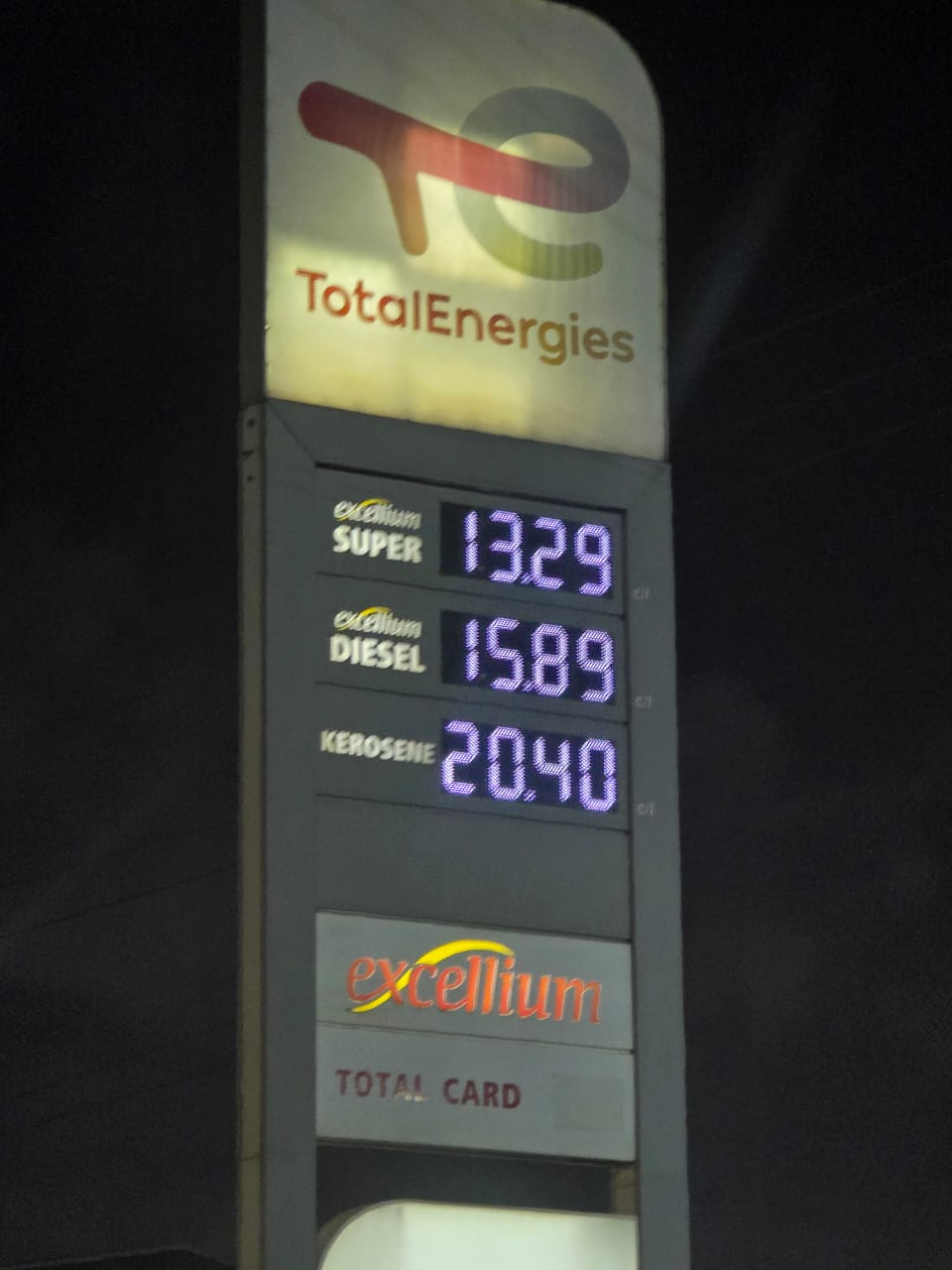
At major fuel stations such as Shell and TotalEnergies, diesel is now selling at a staggering GHS 16.28 per litre. Premium fuels such as V-Power are going for similar prices, while kerosene has crossed the GHS 20 mark at some outlets. Even at Star Oil, often considered a cheaper alternative, prices hover around GHS 12.28—still a heavy burden for ordinary citizens.
The immediate effect has been chaos on the roads. Commercial drivers are refusing to maintain old transport fares, demanding urgent increments to offset rising operational costs. In many parts of the country, stranded passengers line the roadsides as drivers either park their vehicles or engage in heated standoffs with commuters.
This unfolding crisis raises uncomfortable political questions for the administration of John Dramani Mahama. During the election campaign, promises were made to ease the burden of living costs, with fuel prices often cited as a key area of intervention. Today, many Ghanaians feel betrayed.
The contrast is stark. The same political voices that once criticized former President Nana Addo Dankwa Akufo-Addo over rising fuel prices are now presiding over even steeper increases. For critics, this is not just policy failure—it is a credibility crisis.
But beyond politics, the real victims are ordinary Ghanaians. Rising fuel prices ripple through every sector: transport fares surge, food prices increase, and small businesses struggle to survive. The economic pressure is relentless.
To be fair, global crude oil prices, exchange rate instability, and geopolitical tensions often influence domestic fuel pricing. However, leadership is ultimately measured not by promises made in opposition, but by decisions taken in power.
Ghanaians are not just demanding explanations—they are demanding action.
If urgent measures are not introduced to stabilize fuel prices or cushion citizens, the growing frustration could evolve into a broader economic and political backlash.
For now, one thing is clear: the promise of relief is fading fast, replaced by the harsh reality at the pump.