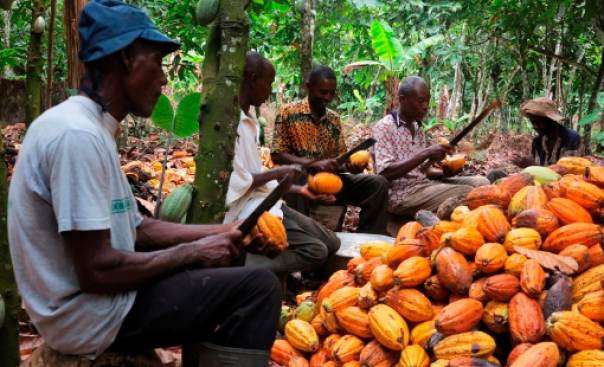
Every year on February 14, while many countries mark Valentine’s Day with flowers and gifts, Ghana adds a uniquely local touch to the celebration through National Chocolate Day. This initiative, led by the Ghana Tourism Authority (GTA) in collaboration with the Ghana Cocoa Board (COCOBOD) and the Cocoa Processing Company (CPC), uses chocolate as a symbol of love, health, culture, and national pride. Beyond the sweetness, the day serves a bigger purpose promoting tourism and encouraging Ghanaians to appreciate one of the country’s most valuable natural resources: cocoa.
National Chocolate Day began in 2005 when the Ministry of Tourism introduced the idea of celebrating chocolate on Valentine’s Day. The aim was to encourage the consumption of locally made chocolate and cocoa-based products, while giving Valentine’s Day a Ghanaian identity. By associating love with chocolate, the celebration sought to remind citizens that Ghana is one of the world’s leading producers of cocoa and that this heritage should be proudly embraced.
Through this annual celebration, the Ghana Tourism Authority promotes national pride by drawing attention to the importance of cocoa in Ghana’s history and culture. Cocoa farming provides livelihoods for thousands of Ghanaian families, and the production of chocolate represents an opportunity for value addition and industrial growth. By encouraging people to buy and consume Ghana-made chocolate, GTA helps to support local businesses and honour the efforts of cocoa farmers whose work sustains a key sector of the economy.
At the same time, National Chocolate Day plays an important role in tourism promotion. During the celebration week, hotels, restaurants, and eateries across the country feature chocolate-themed meals, desserts, and drinks on their menus. Public tastings, media campaigns, and community outreach programmes help attract interest from both residents and visitors, while events like the chocolate festivities held at Kwame Nkrumah Memorial Park bring communities together to celebrate Ghana’s cocoa heritage. National Chocolate Day/Week also involves educational sessions, workshops, exhibitions, and culinary contests that promote understanding of cocoa’s benefits, its cultural role, and economic potential all aligned with tourism strategy.
These activities turn chocolate into more than just a treat; they make it part of the Ghanaian tourism experience. Visitors learn about Ghana’s cocoa story, taste locally produced chocolate, and connect with an aspect of the country’s culture that is both meaningful and memorable. In this way, chocolate becomes a tool for storytelling, hospitality, and cultural exchange. The “Black Star Experience” initiative uses cocoa as a symbol of Ghana’s cultural heritage and economic strength, again positioning chocolate as something deeper than a food product a marker of identity. Reports from National Chocolate Week activities (including comments by GTA officials) say that per capita consumption of locally made chocolate has increased from about 0.45 kg to 1 kg over the last 5–7 years, indicating growing acceptance and pride in Ghanaian products.
In conclusion, National Chocolate Day is not merely a Valentine’s Day event but a strategic initiative by the Ghana Tourism Authority to link culture, economy, and tourism. By celebrating chocolate on February 14, GTA promotes national pride, supports local industries, and showcases Ghana’s rich cocoa heritage to the world. Through this sweet celebration, Ghana reminds both citizens and visitors that cocoa is not only an export product but a symbol of identity, unity, and opportunity.
Name: Fynn Lynette Ocran Precious
National Service Personnel
Corporate Affairs Department
Ghana Tourism Authority