Serious questions are mounting over the operations of the Ghana Gold Board (GoldBod) as allegations of financial losses, questionable procurement practices, and possible involvement of controversial intermediaries continue to cast a shadow over the institution’s credibility.
The controversy centers on Ghana’s gold-for-reserves programme, which was designed to strengthen the country’s foreign reserves and stabilize the economy. Instead, critics say the programme may have exposed the state to massive financial losses and weak oversight.
$214 Million Loss Allegation Sparks Outrage
The Minority in Parliament has sounded the alarm over reports that the gold purchase programme may have resulted in losses estimated at US$214 million.
According to the lawmakers, the alleged losses raise serious concerns about how public funds were managed and whether adequate safeguards were put in place by the Bank of Ghana.
The Minority has therefore demanded an independent investigation to determine how such a massive financial gap could emerge under a programme meant to strengthen Ghana’s economic resilience.
Contradictory Statements Deepen Suspicion
Critics argue that the situation has been worsened by what they describe as conflicting explanations from GoldBod officials regarding the alleged losses.
Initially, the institution reportedly denied that any losses had occurred. However, subsequent comments from officials appeared to acknowledge discrepancies in the programme’s financial outcomes.
Observers say these inconsistencies have fueled suspicion and intensified calls for accountability.
Procurement Controversies Emerge
Beyond the financial loss allegations, GoldBod has also come under scrutiny over procurement decisions that critics say raise red flags.
One such issue involves claims that the board purchased laptops at inflated prices. Another allegation concerns a GH¢11 million office renovation contract, which critics say was awarded under questionable circumstances.
The contract has reportedly been linked to a company associated with Stan Dogbe, the Deputy Chief of Staff in charge of Operations, raising concerns about possible conflicts of interest within government circles.
Anti-Corruption Agencies Petitioned
Civil society groups and critics have escalated the matter by petitioning state investigative bodies, including the Office of the Special Prosecutor and the Economic and Organised Crime Office.
The petitions call for a full investigation into the operations of GoldBod, including allegations that unlicensed individuals and previously investigated actors may have been involved in the programme’s activities.
GoldBod’s Defence Fails to Silence Critics
GoldBod has rejected the accusations, describing them as misinformation.
In a statement posted online, the board’s Media Relations Officer, Prince Kwame Minkah, insisted that the laptop purchases were made at market-competitive prices, citing evidence from the supplier’s website.
He also rejected claims that the office renovation contract was sole-sourced, stating that it was awarded through restricted tendering approved by the Public Procurement Authority.
However, critics say the explanations offered so far do little to address the broader concerns about transparency and governance within the institution.
Growing Calls for Accountability
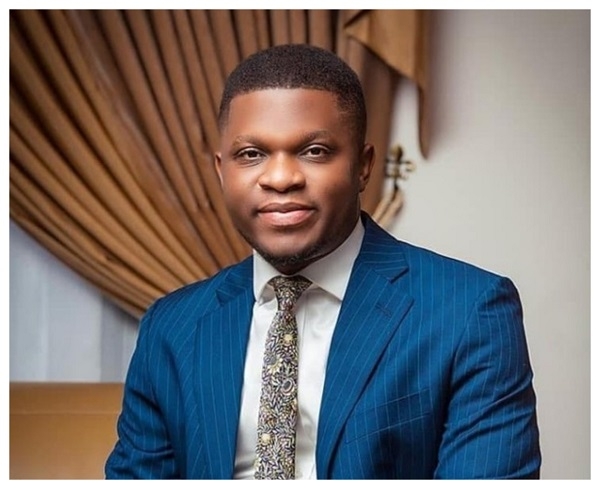
The Chief Executive Officer of GoldBod, Sammy Gyamfi, has maintained that the board has actually generated significant surpluses and helped curb gold smuggling.
But with allegations of massive financial losses and questionable contracts continuing to surface, pressure is mounting on authorities to launch an independent investigation.
For many observers, the controversy surrounding GoldBod has become a test of the government’s commitment to transparency, accountability, and the responsible management of Ghana’s natural resources.
GoldBod Under Fire Over Losses and Procurement Scandals