GNCCI Boss Demands Urgent Tax and Energy Reforms to Boost Ghana’s Export Competitiveness
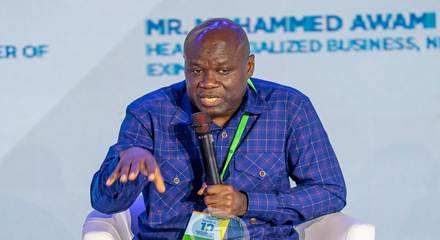
The Chief Executive Officer of the Ghana National Chamber of Commerce and Industry (GNCCI), Mark Badu Aboagye, has called for sweeping reforms in Ghana’s tax and energy sectors to strengthen the country’s position in the global export market.
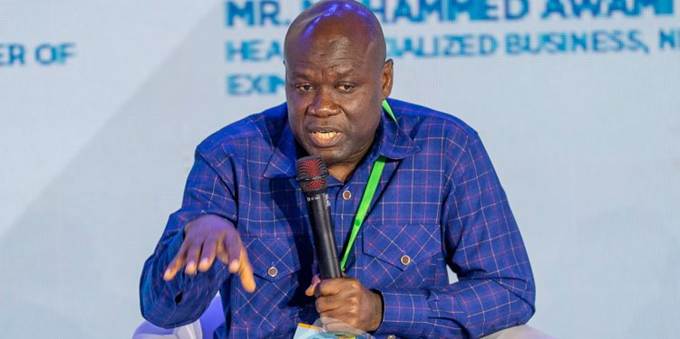
Speaking at the 10th anniversary international conference of the Ghana Export-Import Bank in Accra on Thursday, March 26, Mr. Badu Aboagye stressed that while Ghana possesses significant export potential, particularly in manufacturing and value-added production, this potential is being severely undermined by high production costs.
According to him, Ghana is well-positioned to become a major supplier of key goods within the sub-region. He noted that several neighbouring countries continue to import essential products such as building materials and plastics from markets as far as the United States—a gap Ghana could strategically fill if domestic production challenges are addressed.
Mr. Badu Aboagye also identified emerging sectors such as garments and vehicle assembly as promising avenues for medium- to long-term export growth. However, he cautioned that without the right policy framework, these opportunities may remain untapped.
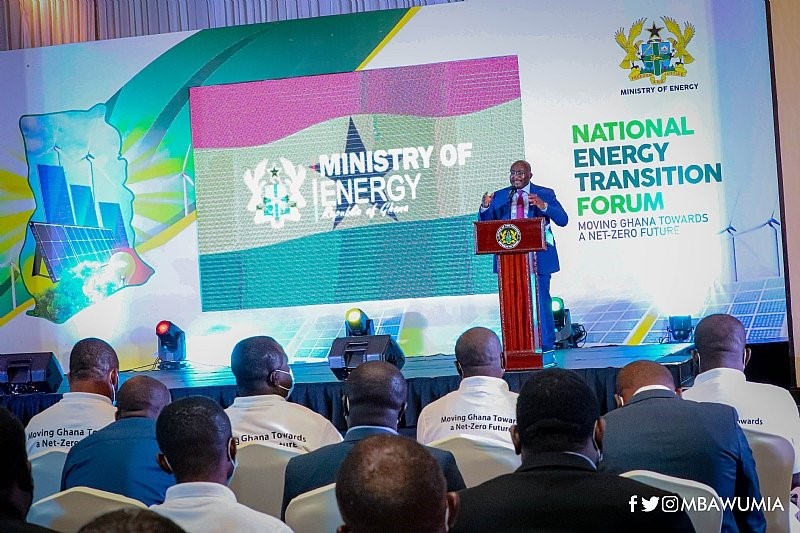
Central to his concerns is the persistent high cost of production, which he described as a major barrier to competitiveness. He called for urgent reforms in the energy sector to ensure a reliable, affordable, and efficient power supply for industries.
“Ghana’s energy reforms, for me, are very key to making energy available, reliable, and affordable to producers,” he stated.
In addition, he criticised the multiplicity of taxes and levies imposed on production and exports, arguing that these burdens are inflating operational costs and weakening the ability of Ghanaian businesses to compete on the global stage.
“Tax reforms are also very key. We have a number of producers and taxes when it comes to production and exports—we should look at all these,” he added.
Industry observers believe that without decisive action on these structural challenges, Ghana risks missing out on critical opportunities to expand its export base and drive industrial growth.