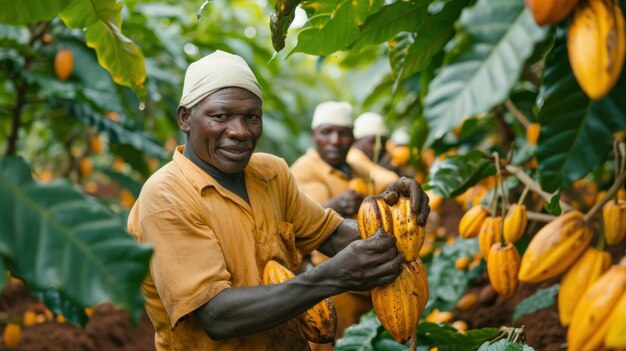
Chocolate is more than a sweet delicacy in Ghana; it is a powerful symbol of national pride, heritage, and economic identity. From the fertile cocoa farms in the forest to the rich chocolate products enjoyed locally and abroad, chocolate represents the hard work, resilience, and legacy of the Ghanaian people.
Ghana is one of the world’s leading producers of cocoa, the main raw material for chocolate. For over a century, cocoa farming has been the backbone of the nation’s economy, providing livelihoods for millions of Ghanaians, especially in rural communities. Cocoa has contributed significantly to Ghana’s development by supporting education, healthcare, infrastructure, and employment.
At the heart of Ghana’s chocolate heritage are the cocoa farmers. Their dedication, passed down through generations, has preserved traditional farming practices while adapting to modern, sustainable methods. These farmers are custodians of the land as they continue to place Ghana on the global map. Every chocolate bar that originates from Ghanaian cocoa tells a story of skill, and cultural continuity.
Beyond economics, chocolate has become a tool for national identity and cultural celebration. Ghana’s National Chocolate Day and Chocolate Week, marked annually on February 14, encourage citizens to choose locally made chocolate products and appreciate the value of cocoa beyond export. Ghana Tourism uses Chocolate Day to strengthen national pride and cultural branding. By promoting the “Eat Ghana, Wear Ghana” agenda and inspire national pride by showcasing Ghana’s ability to add value to its own resources.
Chocolate also plays a growing role in Ghana’s tourism and creative economy. Cocoa farms, chocolate factories, festivals, and exhibitions offer unique experiences that attract both domestic and international visitors. Through chocolate tourism, Ghana tells its story in a flavorful and engaging way, blending agriculture, culture, and hospitality. Through strategic partnerships with institutions such as the Cocoa Processing Company, hotels, restaurants, tour operators, and creative industry players, Ghana Tourism Authority supports chocolate-themed events, exhibitions, tastings, and promotions across the country. These activities create excitement, encourage travel, and increase participation in tourism experiences linked to cocoa. In 2023, GTA and COCOBOD distributed made-in-Ghana chocolates to over 1,000 arriving passengers at Kotoka International Airport as part of Chocolate Day promotion — a practical activation to introduce visitors to Ghana’s cocoa culture and products. According to the Africa Publicity News, Ghana’s tourism sector recorded a historic US $4.8 billion in revenue in 2024 with over 1.28 million international visitors, showing strong growth in visitor engagement and domestic tourism — a trend that events like Chocolate Week help sustain by diversifying tourism offerings.
In recent years, the rise of Ghanaian-owned chocolate brands has strengthened the country’s heritage narrative. These brands highlight quality, authenticity, and innovation while ensuring that more value remains within the country. Supporting locally produced chocolate is therefore an act of patriotism, contributing directly to national development and the empowerment of local communities.
In summary, chocolate stands as a proud emblem of Ghana’s heritage. It represents the nation’s past, sustains its present, and holds promise for its future. As Ghanaians celebrate chocolate, they celebrate their farmers, their culture, and their shared identity. Chocolate is not just a taste to be enjoyed—it is Ghana’s story, wrapped in pride and tradition.
Caleb Amfo
National Service Personnel
Corporate Affairs Department
Ghana Tourism Authority