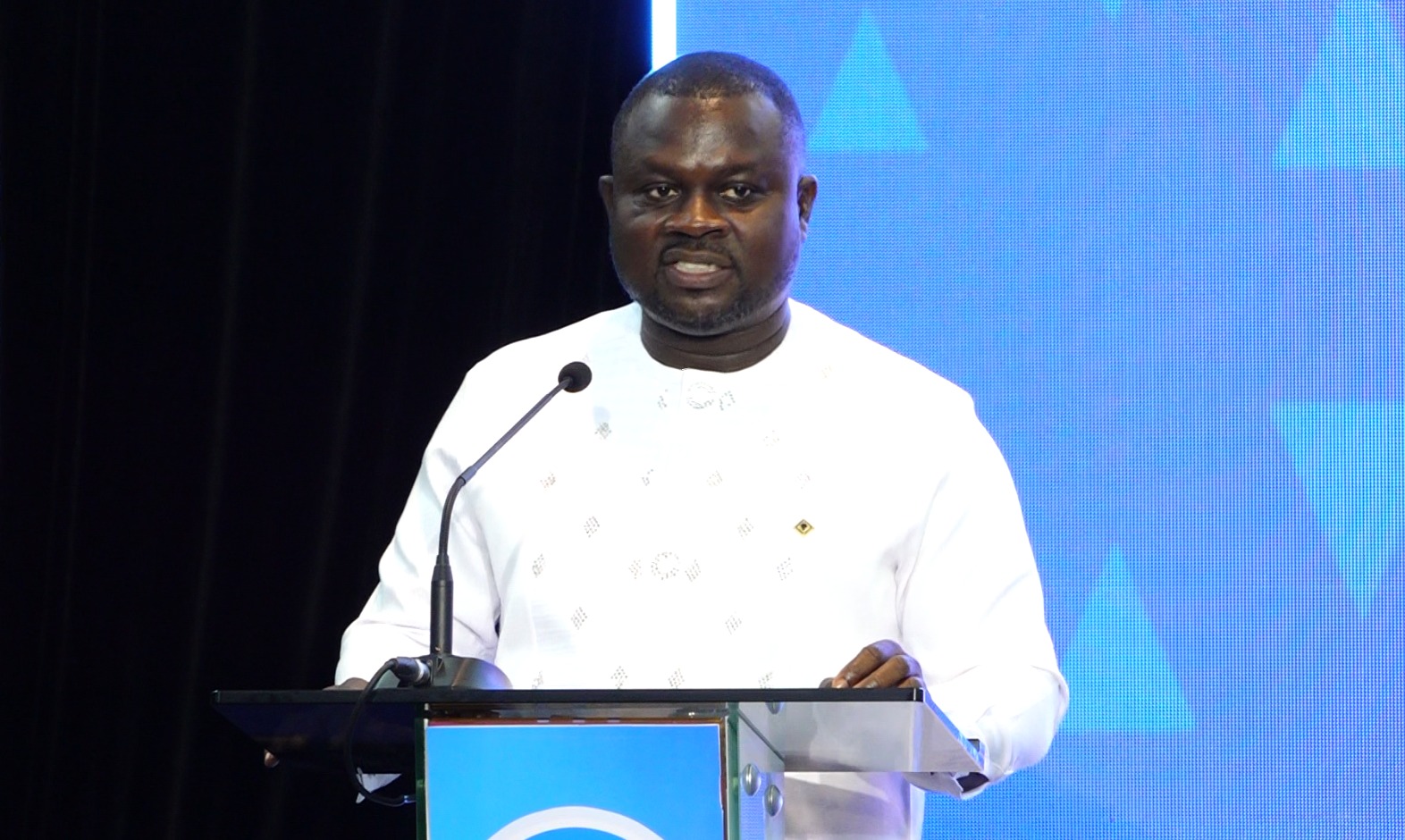
The Chief Executive Officer of the Chamber of Oil Marketing Companies (COMAC), Riverson Oppong, has challenged government claims that recent reductions in fuel prices are the result of state intervention, insisting instead that the relief is being driven by sacrifices within the petroleum industry.
Speaking on PM Express on Joy News Wednesday, Dr Oppong argued that the marginal drop in pump prices has not come from any reduction in taxes or levies.
His comments come after the Presidency suggested it had stepped in to stabilise petroleum prices amid global uncertainties, particularly tensions in the Middle East affecting supply chains.
But Dr Oppong painted a different picture.
“The relief of GH¢0.36 on petrol and GH¢2 on diesel is true, but this is a relief that stems from operational margins of activities of the industry, and it has not touched the government as it did not touch any tax or levies that go into the government coffers,” he said.
Burden Shifted to Industry
According to him, the current pricing adjustments effectively transfer the financial burden onto key sector institutions such as the National Petroleum Authority (NPA) and the Bulk Oil Storage and Transportation Company (BOST), as well as private oil marketing companies.
“This also means that NPA and even BOST would have to cough up external money to support this. So for me, the question here is whether this is a relief or pressure on institutions?” he questioned.
While acknowledging that consumers will welcome the price drop, Dr Oppong warned that the cost is simply being absorbed elsewhere in the value chain.
Strain on Oil Marketing Companies
He highlighted the particular strain on oil marketing companies, especially regarding discounted diesel, which requires firms to pre-finance operations.
“Discounted diesel especially means that oil marketing companies will have to pre-finance the purchase and retailing of the product before government pays us after roughly one and a half months,” he explained.
The issue, he revealed, has already been raised in discussions with the NPA, with industry players pushing for faster reimbursement to ease liquidity constraints.
Mounting Financial Pressure
Dr Oppong illustrated the scale of the burden with a practical example:
“Assuming that one person lifts 10 million litres a month, that means that the person is in debt of GH¢603,000, which is more than half a million cedis that could have purchased fuel for retailing.”
To cushion the impact, COMAC is now seeking temporary concessions from the Ghana Revenue Authority (GRA), including possible delays in tax payments for oil marketing firms and LPG operators.
“Downstream Always Bears the Burden”
In a blunt assessment, Dr Oppong criticised what he described as a recurring pattern where the downstream sector is left to absorb policy pressures.
“It’s just unfortunate. Let me put it very unapologetically here. It’s just unfortunate that the downstream business is always receiving the burden for the government; we are the ones always coming to solve problems for the government.”
His remarks add a new layer to the ongoing debate over fuel pricing in Ghana, raising questions about transparency, fiscal policy choices, and the sustainability of industry-led interventions in cushioning consumers.This platform reviews licensed casinos, ensuring players have access to secure slots and table games. It also provides insights into various bonuses and payment methods available in Canada. Players can explore options for both traditional and crypto casinos. The site serves as a guide for navigating the diverse online gaming landscape in Canada.