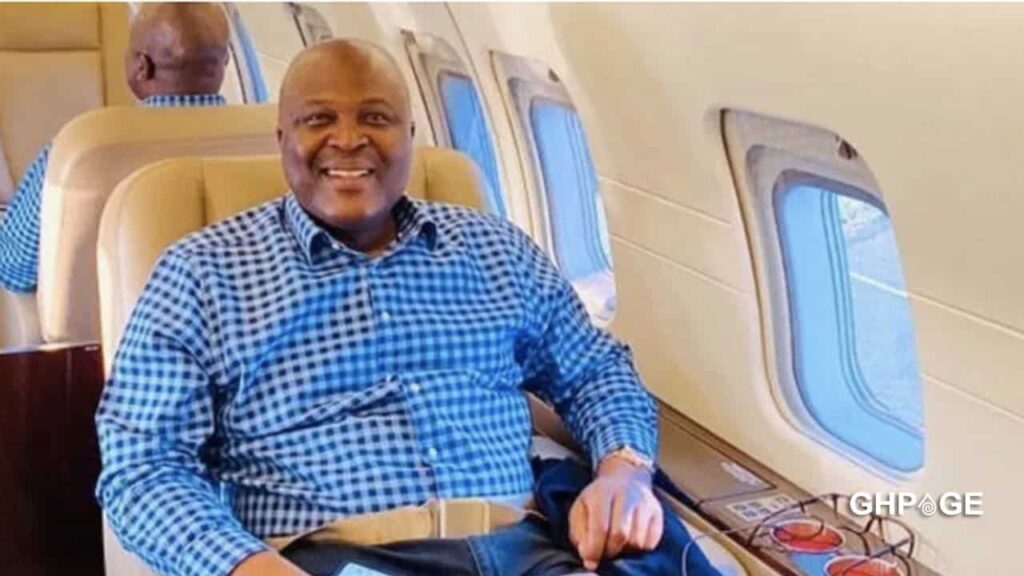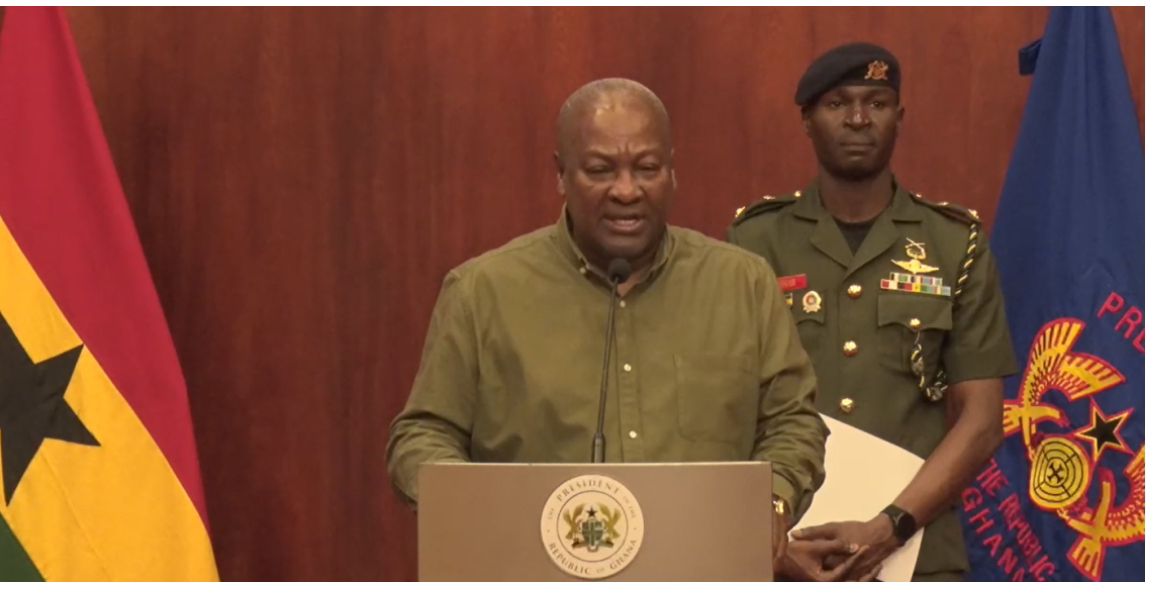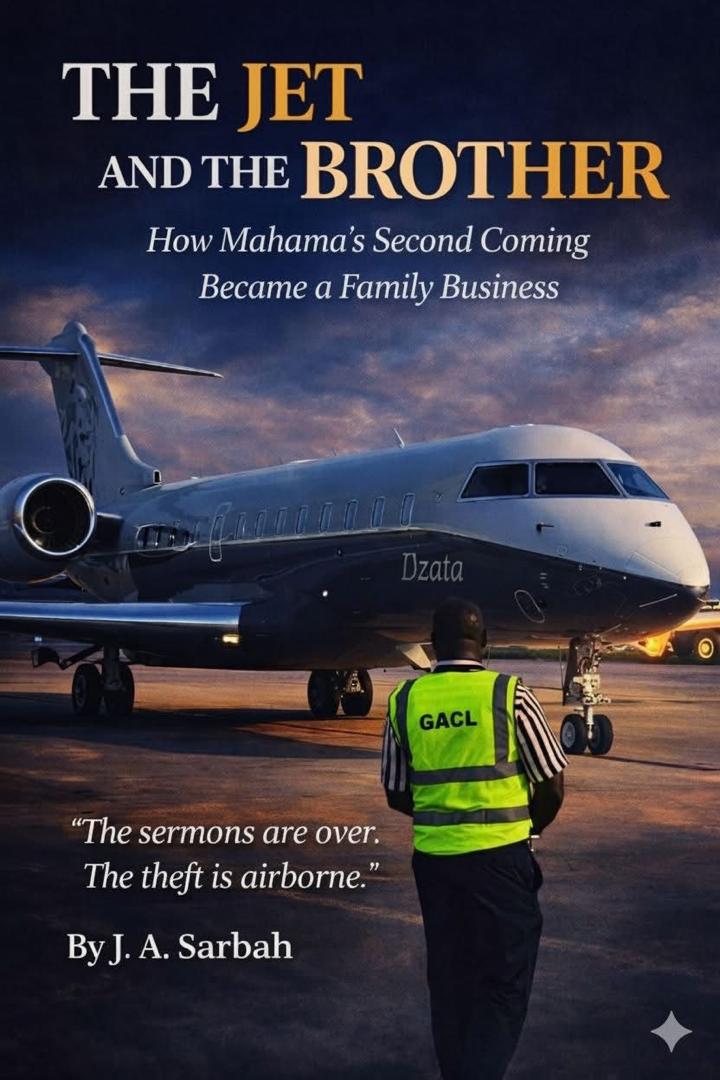
A troubling cloud of controversy is hanging over the presidency of John Dramani Mahama following reports that the President recently travelled to South Korea on a luxurious Bombardier Business Jet allegedly belonging to his brother, businessman Ibrahim Mahama.
The revelation has provoked outrage among many citizens of Ghana who see the development as a disturbing symbol of cronyism and the creeping normalization of family privilege within the highest office of the land.
At the heart of the controversy is a simple but powerful question: Has the presidency become an extension of family business interests?
The office of the President is not a private estate. It is a sacred national trust held on behalf of nearly thirty-three million Ghanaians. When the occupant of that office conducts official state business using assets reportedly owned by a close family member, it inevitably raises serious questions about conflict of interest, transparency, and ethical governance.
Even if no laws were technically broken, the optics alone are deeply troubling. Democratic leadership demands not only legality but also the highest standard of integrity and public accountability. A president must avoid situations that create even the slightest perception that state power is being intertwined with private family influence.
Many Ghanaians are therefore asking:
Was the aircraft chartered through a transparent government process?
How much did the state pay for its use?
Were alternative state aviation options considered?
And most importantly, why should a president rely on the assets of his own brother for official state travel?
These are not partisan questions. They are questions of public ethics.
Critics argue that the development reflects a dangerous culture in which political power is increasingly perceived as benefiting a small circle of relatives and associates while ordinary citizens struggle under economic hardship.
For a country that prides itself on democratic maturity and institutional governance, the symbolism could not be worse. Ghana has long been seen as a beacon of democracy in Africa. That reputation cannot coexist with perceptions of nepotism at the summit of state power.
The presidency must therefore act swiftly to provide a full and transparent explanation to the Ghanaian people. Silence or vague responses will only deepen public suspicion.
Leadership is ultimately about trust. And trust, once shaken, is not easily restored.
If the presidency of John Dramani Mahama is to maintain the moral authority of the office, it must demonstrate clearly that the power of the Ghanaian state is not being entangled with the privileges of family connections.
Anything less would represent a dangerous precedent for the future of governance in Ghana.