The Minority in Ghana’s Parliament has warned that the newly introduced Minerals and Mining Royalty Regulations, 2025 could potentially lead to the loss of nearly one million jobs in the country’s mining sector.
The Legislative Instrument, which became law on Monday, March 9, 2026, introduces a sliding-scale royalty system that allows royalty rates to increase or decrease depending on fluctuations in international commodity prices. The policy is designed to ensure that the state earns higher revenues during periods when global mineral prices rise.
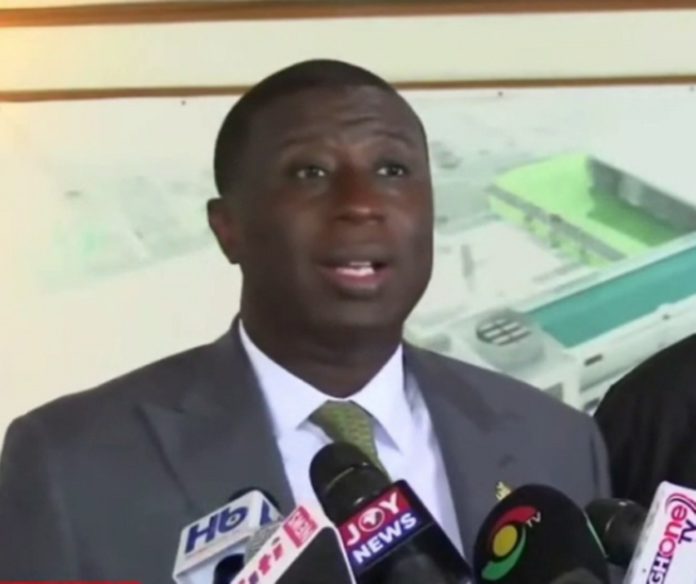
However, speaking to journalists on Tuesday, March 10, the Chairman of the Subsidiary Legislation Committee, Patrick Boamah, warned that the regulation could make Ghana’s mining industry less attractive to investors.
According to him, while the new system may boost government revenue in the short term, it could discourage investment in the mining sector, ultimately affecting employment.
“If you introduce this, you may accrue some revenue, but the net effect is some job losses. Close to about a million jobs. If you lose close to a million jobs because the investments required did not come in, you are not going to get the employees’ tax, tax from companies,” he stated.
Boamah therefore urged the government to reduce the Growth and Sustainability Levy on mining companies to one per cent, arguing that the move would help cushion mining firms and maintain investor confidence.
The Minerals and Mining Royalty Regulations, 2025 aim to strengthen Ghana’s ability to benefit from periods of high global mineral prices by adjusting royalty rates accordingly.
Additionally, the regulation establishes a one per cent Community Development Fund for lithium mining, which will support infrastructure development in the Mfantseman Municipality and other mining communities.
Meanwhile, Ghana’s plan to increase gold royalties has attracted international attention. Countries including the United States, United Kingdom, China, Canada, and Australia have reportedly raised concerns, warning that the move could negatively impact some of the world’s largest mining companies operating in Ghana.