FROM GH₵6,500 HOPE TO GH₵2,587 SHOCK
By the time the news reached the cocoa villages, it felt like a punch to the stomach.
GH₵2,587 per bag.
That is the new price cocoa farmers are expected to accept — barely months after they were promised GH₵6,500 with thunderous applause on campaign platforms across Ghana.
In 2024, the National Democratic Congress (NDC) rode into cocoa communities with fire in their voices. They accused the previous government of cheating farmers. They declared that cocoa producers deserved far more. They vowed to correct what they called injustice.
Today, in power, they have done the opposite.
Instead of an increase, there is a drastic reduction — from GH₵3,600 to GH₵2,587.
The Day the Promise Died
Finance Minister Dr. Cassiel Ato Forson announced that the Producer Price Review Committee had pegged the new price at 90% of an achieved gross FOB of USD 4,200 per tonne, translating into GH₵41,392 per tonne — or GH₵2,587 per bag.
The explanation? Global prices have fallen. Market realities demand adjustment. Liquidity must be injected into the system.
But cocoa farmers are not economists. They are fathers, mothers, breadwinners.
And what they remember is simple:
GH₵6,500 was promised.
In the Villages, the Pain Is Real
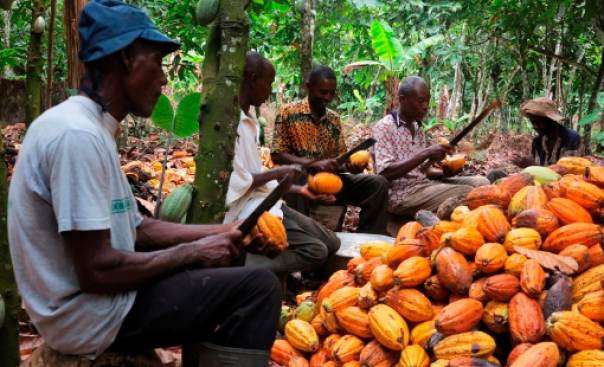
In the cocoa belts of Western North, Ashanti, Eastern, and Bono Regions, the mood is heavy.
These are farmers who:
Struggle with rising fertilizer costs
Battle swollen shoot disease
Pay increasing transport fares
Feed families amid inflation
Now they are told to accept less.
Less income. Less security. Less hope.
How does a farmer plan school fees with GH₵2,587? How does he expand his farm? How does she pay labourers?
The numbers on paper may add up in Accra. In the village, they do not.
Campaign Fire, Governing Ice
When in opposition, the NDC spoke as champions of the rural poor. They framed cocoa pricing as moral justice. They portrayed themselves as defenders of the farmer against exploitation.
But governing has replaced passion with cold arithmetic.
The same global market they now cite existed in 2024. The same volatility was known. The same risks were present.
So why promise GH₵6,500?
Was it hope? Or was it politics?
A Dangerous Political Gamble
Cocoa is not just a crop. It is Ghana’s pride. It built schools. It built roads. It built this nation.
When cocoa farmers feel betrayed, it echoes far beyond the farm.
History shows that cocoa pricing has shaped political destinies. Rural Ghana listens. Rural Ghana remembers.
If trust erodes in the cocoa fields, the political consequences may be severe.
Beyond the Statistics
The government says this decision ensures sustainability.
But sustainability without trust is fragile.
Leadership requires more than citing global prices. It requires honesty. If GH₵6,500 was unrealistic, Ghanaians deserved the truth then — not after the votes were counted.
Today, cocoa farmers stand at a crossroads of disappointment.
The golden crop that once symbolized hope now reflects a bitter taste of political reality.
And across Ghana’s cocoa belt, one question lingers in the humid air:
Was the promise ever real?